%20(1).svg)


.png)


.png)

.png)


Understanding Uterine Prolapse in Cattle: Causes, Treatment, and Prevention
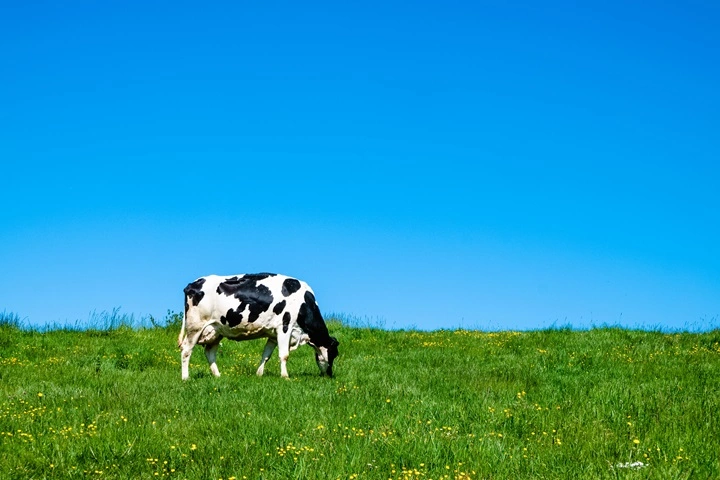
Uterine prolapse in cattle is a serious reproductive emergency that requires immediate attention. This condition occurs when the uterus is expelled through the vaginal opening, typically shortly after calving. It is essential for cattle owners and veterinarians to recognize the signs, understand the causes, and administer prompt and effective treatment to ensure the health and […]
Stressed Chicken: Types, Signs, Symptoms, Prevention, Treatment
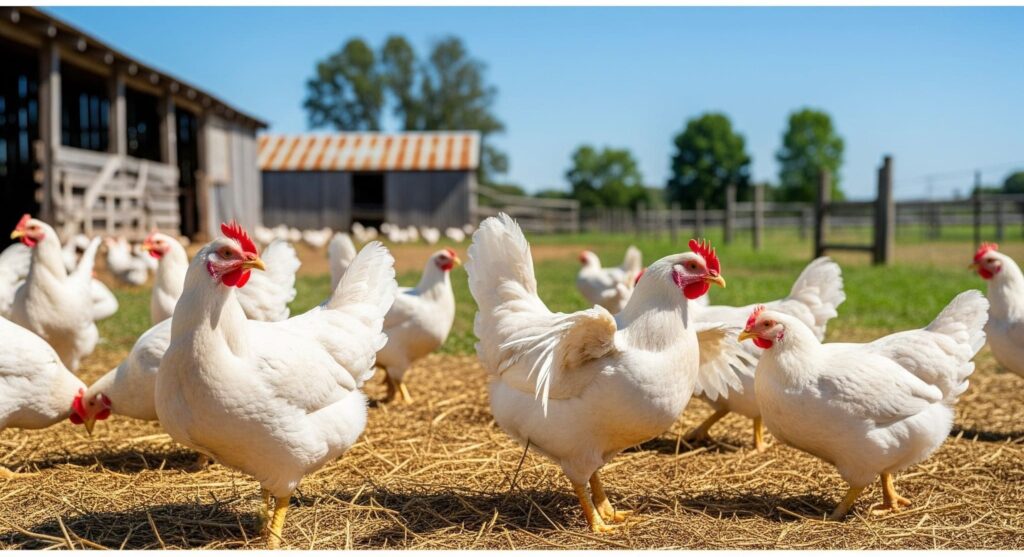
Stress in poultry is a physiological and behavioral response to environmental, nutritional, pathological, or operational challenges that threaten homeostasis. A stressed chicken’s ability to adapt to change is limited. When this capacity is overwhelmed—whether by environmental challenges, crowding, or disease—stress sets in, triggering a cascade of negative effects on health, and productivity. What Is Stress […]
Viral Infection & Ovarian Regression: What You Need To Know?
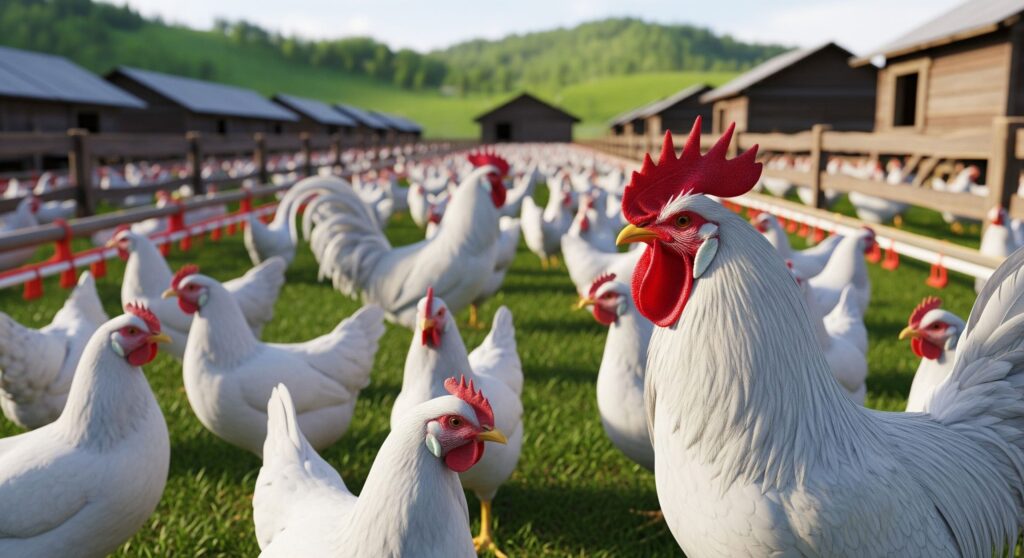
Commercial egg-laying chickens reach sexual maturity and begin laying eggs at around 16-18 weeks. By 30-32 weeks, they hit their peak egg production. During the first year of laying, hens maintain a high rate (over 90%), producing an average of more than 320 eggs. After this period, egg production gradually declines, reflecting reduced ovarian function. […]
Yoke Gall in Cattle: Causes, Symptoms, and Herbal Treatment
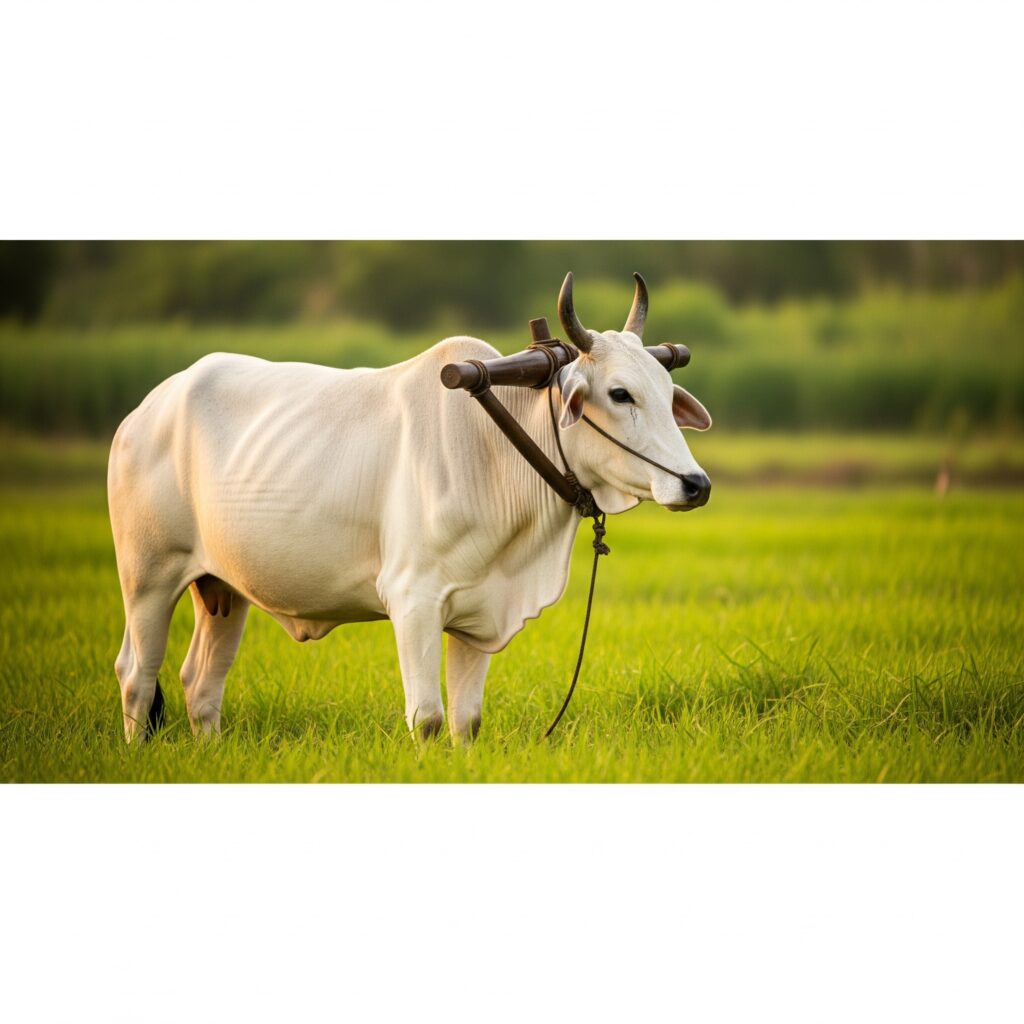
Yoke gall in cattle is a common and painful skin condition seen in working animals, especially bullocks. It occurs due to repeated friction and pressure from poorly fitted yokes, harnesses, or carts. If left untreated, it can lead to open wounds, infection, and long-term discomfort, significantly reducing the animal’s productivity and well-being. What is Yoke […]
Bovine Respiratory Disease: A Major Concern in Cattle Health
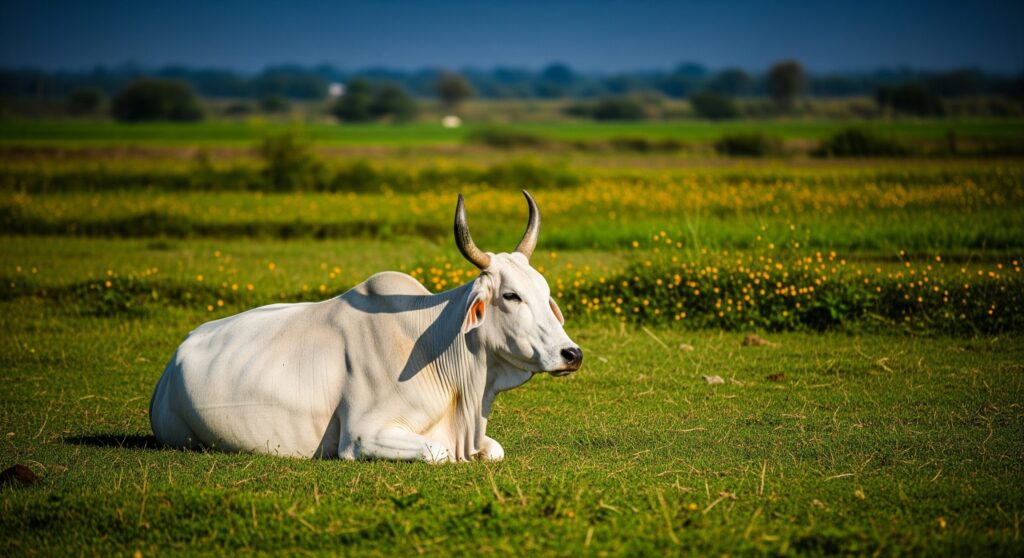
Bovine Respiratory Disease (BRD) is one of the most economically significant cattle diseases affecting the global beef and dairy industries. Also known as “shipping fever,” BRD is a complex condition caused by a combination of viral infections, bacterial pathogens, and environmental stressors. It primarily affects the lungs and airways of cattle, leading to poor performance, […]
Understanding the Impact of NSP (Non-Starch Polysaccharides) in Poultry Nutrition
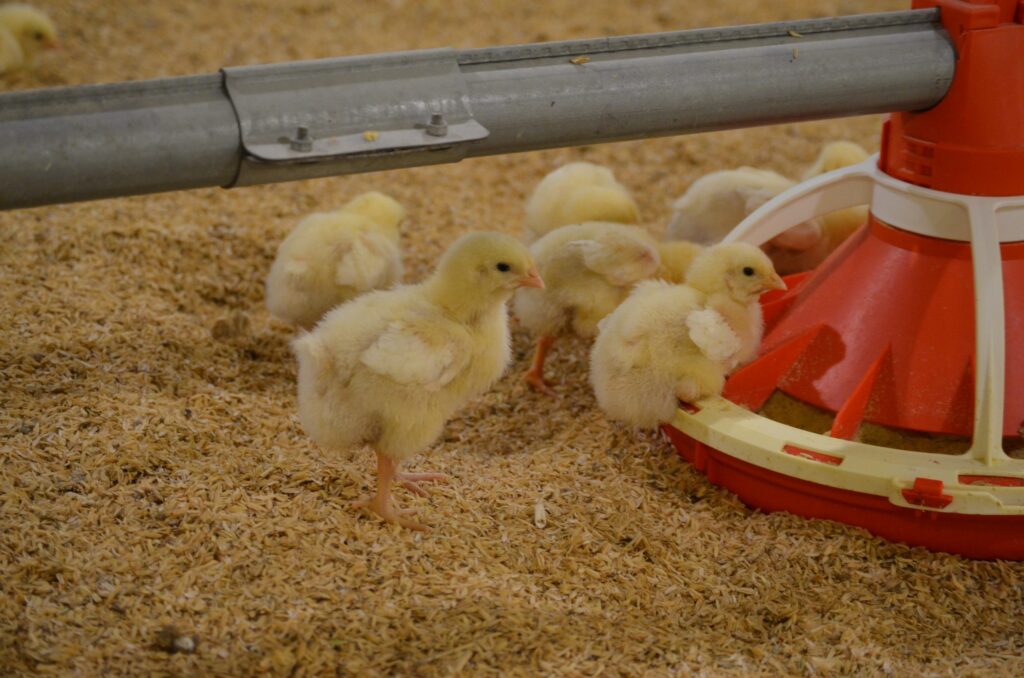
Poultry production has evolved significantly over the years, with increasing focus on optimizing feed efficiency, gut health, and performance. One critical nutritional factor influencing all these parameters is Non-Starch Polysaccharides (NSPs). Present in common feed ingredients such as wheat, barley, oats, and soybean meal, NSPs play a complex role in poultry nutrition, affecting both nutrient […]
The Hidden Threat in Poultry Production: Leaky Gut Explained

In recent years, Leaky Gut Syndrome (LGS) has emerged as a silent disruptor in poultry health and productivity. Also known as intestinal permeability, this condition refers to the compromised integrity of the intestinal lining, which allows harmful substances like toxins, bacteria, and undigested feed particles to pass into the bloodstream. While the term is commonly […]
Understanding Foot and Mouth Disease in Cattle: Causes, Symptoms, and Prevention
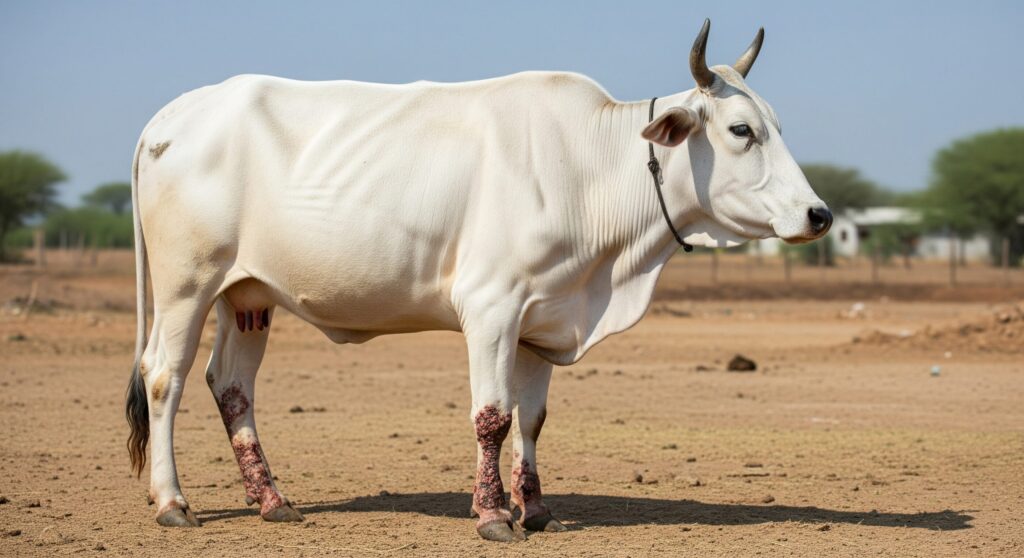
Foot and mouth disease in cattle is one of the most contagious viral illnesses affecting cloven-hoofed animals, including cows, pigs, sheep, and goats. Caused by the foot and mouth disease virus in cattle, this disease poses a major threat to animal health and the livestock industry due to its rapid spread and economic implications. What […]
Waterborne diseases in poultry: Water Quality in Poultry

Water is a vital yet often overlooked component of poultry production. While much attention is paid to feed formulation and housing, the quality of water provided to birds plays an equally significant role in maintaining flock health and optimizing productivity. Contaminated water can serve as a vehicle for numerous pathogens, leading to waterborne diseases that […]
Understanding Avian Influenza in Poultry: Risks and Preventive Measures

Avian influenza in poultry continues to be a major threat to the global poultry industry, affecting animal health, food security, and trade. Also known as bird flu, this highly contagious viral disease is caused by the avian influenza virus in poultry, primarily of the subtypes H5, H7, and H9. While outbreaks can vary in severity, […]
Dermatophilosis in Cattle
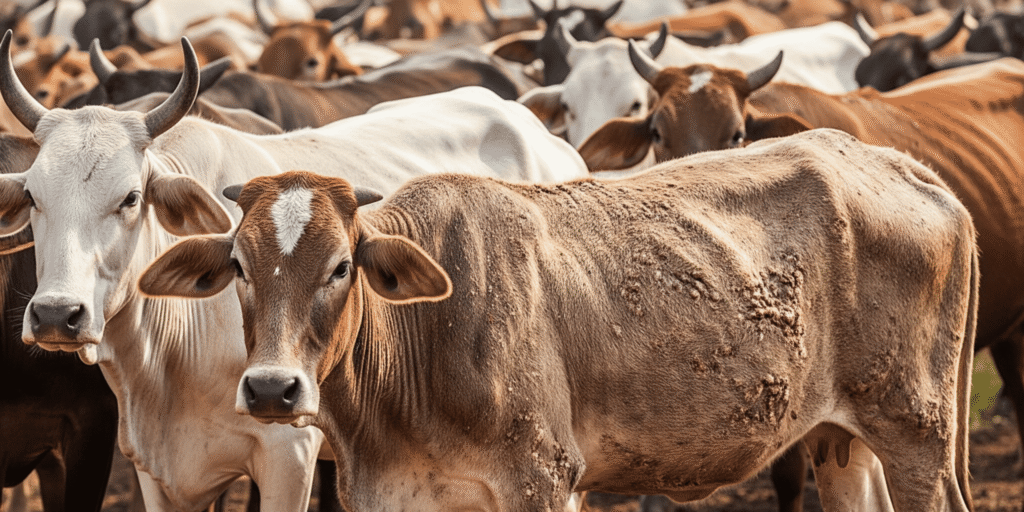
Dermatophilosis in cattle, commonly referred to as rain scald or rain rot, is a bacterial skin infection caused by Dermatophilus congolensis. This condition predominantly affects youngstock but can occur in cattle of all ages, especially during prolonged wet weather conditions. The disease is characterized by distinctive skin lesions and can significantly impact cattle health and […]
Mycoplasma in Poultry: Symptoms, Treatment, Prevention (Know It All)

Have you ever seen an entire flock of birds suffering from sneezing, coughing, and discharging nasal mucus, conjunctivitis with a sudden drop in egg production, or a poor growth rate? The chances are your flocks are infected with mycoplasma in poultry. What is mycoplasma in poultry? Mycoplasma in poultry is a disease caused by […]
Calcium Homeostasis in Ruminants: Mechanisms and Challenges
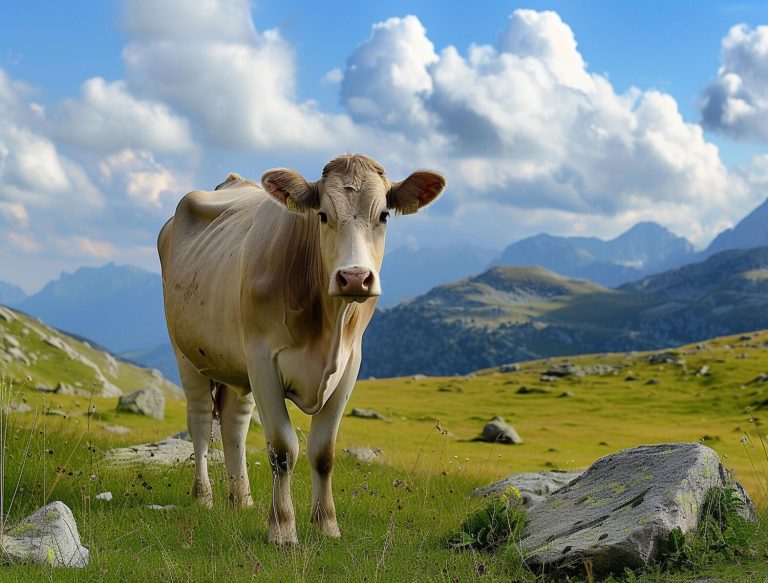
Calcium plays a critical role in a wide array of physiological functions in ruminants, including muscle contraction, nerve transmission, enzyme activity, and milk production. As such, the regulation of calcium levels—known as calcium homeostasis—is vital for animal health, especially during periods of high demand such as late gestation and early lactation. Maintaining calcium homeostasis […]
Understanding Negative Energy Balance in Cattle and Effective Treatment with Gluca-Boost
In modern dairy farming, maintaining the energy balance of high-yielding cows—especially during early lactation—is a constant challenge. Negative Energy Balance in cattle arises when the animal’s energy demand for milk production exceeds its dietary intake. This imbalance can severely impact health, fertility, and productivity if left unaddressed. What is Negative Energy Balance in Cattle? […]
Artificial Intelligence in Poultry Farming: Revolutionizing the Industry

Poultry farming is undergoing a remarkable transformation, driven by the integration of artificial intelligence (AI). From improving operational efficiency to promoting sustainable practices, AI is reshaping how poultry operations are managed and optimized. This article explores the key contributions of artificial intelligence in poultry farming, highlighting its impact on productivity, animal welfare, and innovation across […]
How Plant-Based Feed Additives Boost Immunity in Pigs
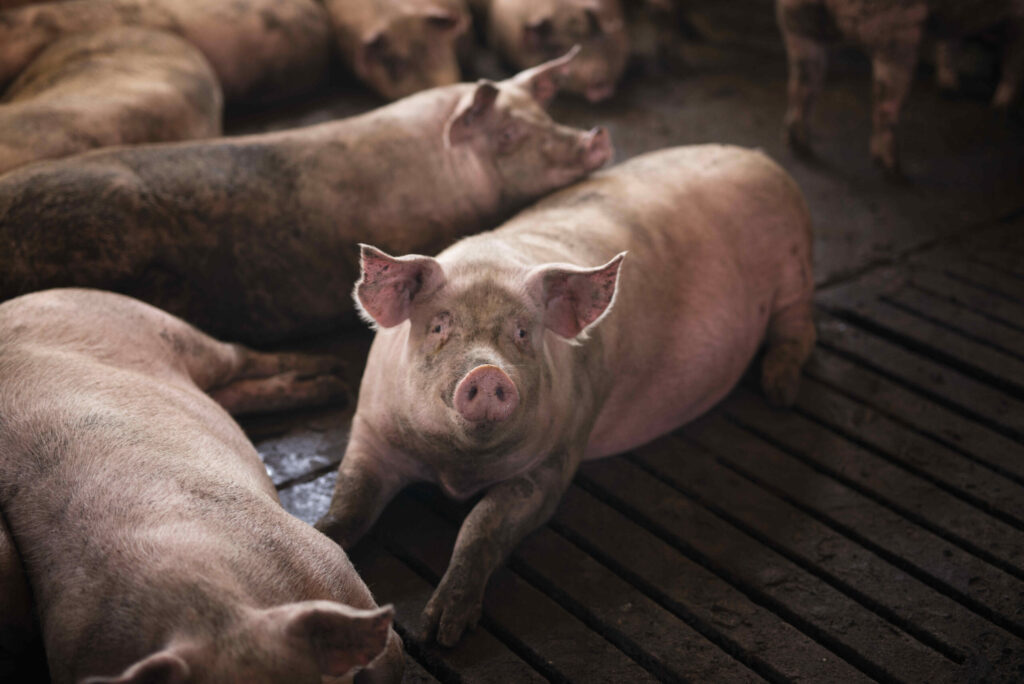
In modern swine production, maintaining a strong immune system in pigs is crucial for ensuring optimal health, growth performance, and overall productivity. With increasing concerns over antibiotic resistance and consumer demand for natural alternatives, plant-based feed additives, commonly known as phytogenics, have gained significant attention. These natural compounds, derived from herbs, spices, and other botanical […]
High Stocking Density and Broiler Behaviour: Striking the Right Balance

In modern poultry production, achieving optimal efficiency while maintaining flock health is a delicate balance. One of the critical factors influencing broiler efficiency and performance is stocking density—the number of birds housed per unit of space. While increasing stocking density can improve production efficiency and profitability, it can also have significant impacts on broiler behaviour, […]
Retained Placenta in Cows: Causes, Prevention, and Management
Retained Foetal Membrane (RFM) is a common reproductive issue in cows, particularly in dairy herds. It occurs when the placenta is not expelled within 24 hours after calving, leading to potential health complications and fertility challenges. Understanding the causes, risk factors, and management strategies can help improve herd health and reproductive efficiency. Causes and Risk […]
Enhancing Egg Shell Quality in Poultry: Factors, Defects, and Best Practices
Maintaining optimal eggshell quality is crucial for poultry production. The egg is a highly complex reproductive cell, with the yolk encased in albumen and further protected by two membranes and an external shell. The shell provides structural integrity and safeguards essential nutrients. A hen’s egg typically comprises 77% water, 12.2% protein, 10.4% lipids, and trace […]
Heat Stress in Poultry: Effects, Signs, Prevention, Treatment

What is heat stress in poultry? Heat stress in poultry occurs when birds struggle to maintain a balance between body heat production and heat loss due to high environmental temperatures. This condition affects all types of poultry at different stages of growth and can lead to significant welfare and productivity challenges. When birds are within […]
Rumen Acidosis in Cattle: Causes, Symptoms, Treatment, and Prevention
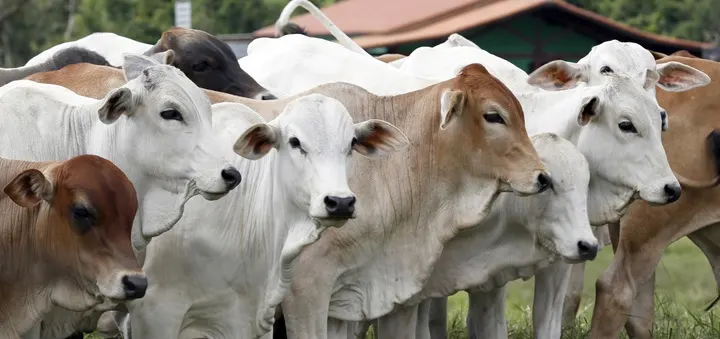
Rumen acidosis is a significant metabolic disease in cattle. While some animals exhibit clinical signs, many others experience sub-clinical acidosis, which can lead to decreased productivity and long-term health issues. What is Rumen Acidosis? Acidosis in cattle occurs when the rumen pH drops below 5.5 (normal pH ranges between 6.5 and 7.0). In severe cases, […]