%20(1).svg)


.png)


.png)

.png)


Liver Health in Sows: A Cornerstone of Reproductive Performance and Longevity

The liver is one of the most vital organs in sows, playing a central role in nutrient metabolism, detoxification, and hormonal regulation. A healthy liver is essential not only for optimal growth and maintenance but also for reproductive success and longevity in breeding herds. However, modern intensive pig production systems often challenge liver function due […]
Feed Formulation Mistakes That Amplify Stress in Monogastric Animals

In monogastric nutrition, precision in feed formulation plays a defining role in maintaining animal performance. Yet, subtle formulation errors can amplify physiological and metabolic stress, compromising productivity and profitability. Feed-induced stress, though often overlooked, can be as damaging as environmental or pathogenic stressors. Understanding how formulation mishaps contribute to stress in poultry and swine is […]
Driving a Sustainable Future Through the Power of Nature and Science

From sourcing herbs to shipping products worldwide, Natural Remedies integrates sustainability into every aspect of its operations. Guided by the vision “We harness nature and apply science for health and happiness sustainably,” the company ensures that sustainability is not a concept, but a way of life, deeply embedded in its culture, products, and processes. Sustainability […]
Future Trends of Choline in Animal Nutrition
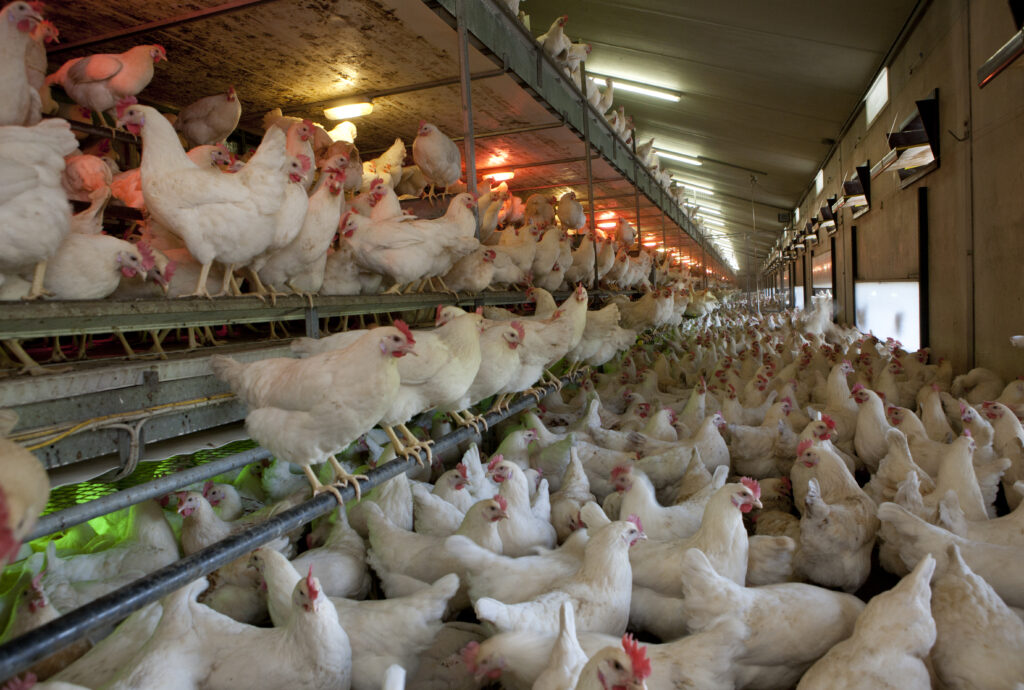
Chemically known as 2-hydroxyethyltrimethylammonium, choline is an organic compound which is a colourless ammonium salt, highly soluble in water. Choline, neither a vitamin nor a mineral, is a vital nutrient required for normal body functions. Choline was once grouped with Vitamin B, however, choline does not fit the standard of a vitamin, and it does […]
Choline Chloride’s Hygroscopic Effects In Animal Feed
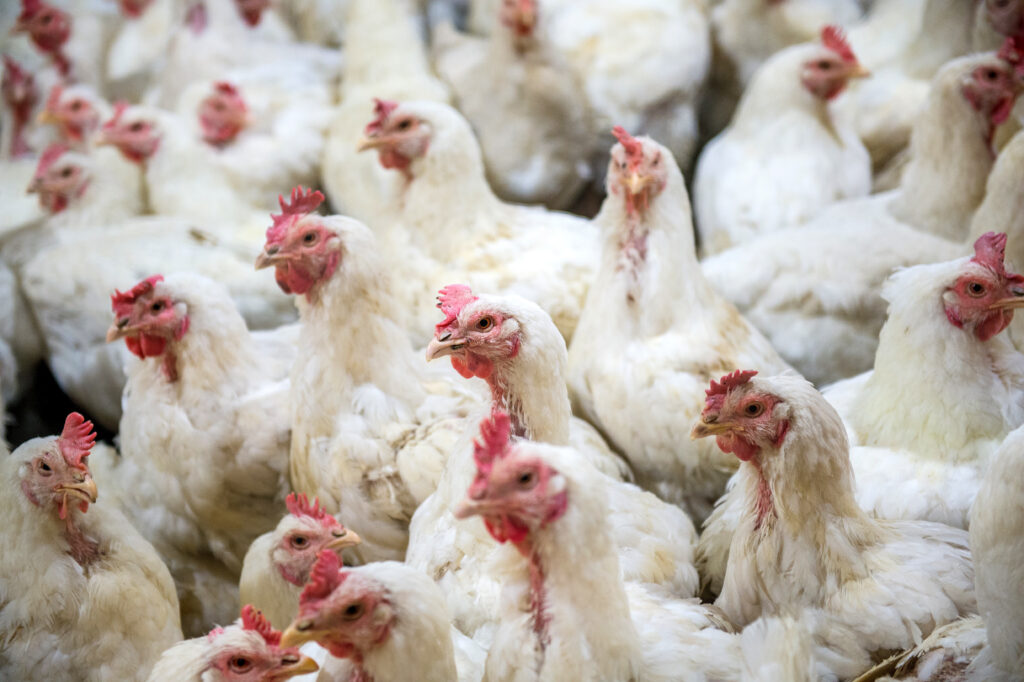
Choline chloride is one of the most widely used feed additives for livestock and poultry because of its essential role as a nutrient. However, its hygroscopic nature has a strong tendency to absorb moisture from the atmosphere, which can rapidly affect physical characteristics and stability in feed blends. Choline chloride typically appears as a white […]
Stabilizing the flow: How digestion and metabolism drive milk production in dairy cattle
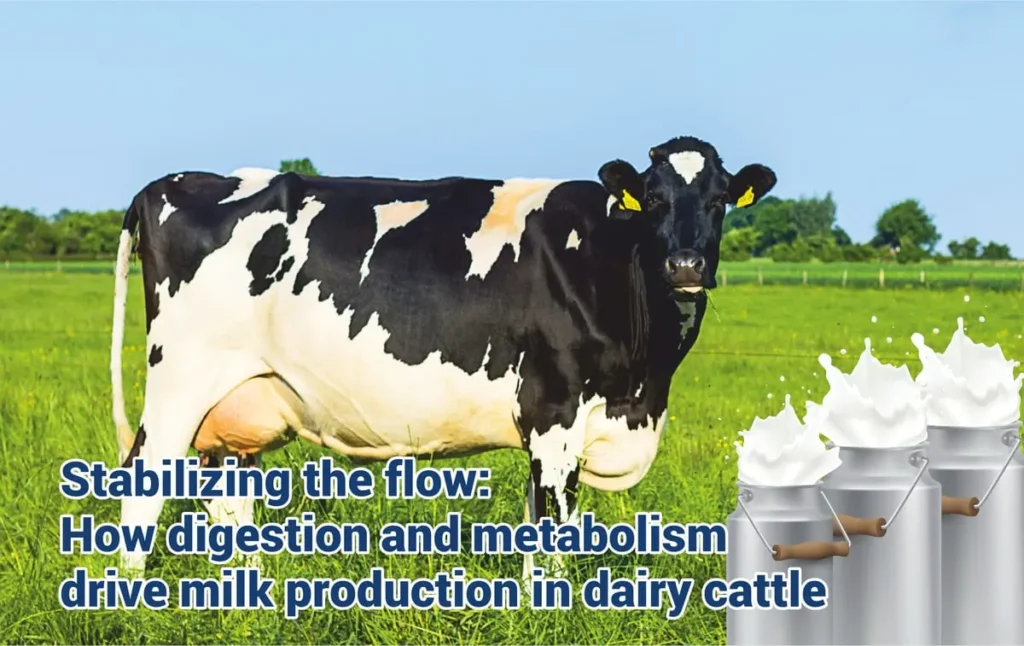
Introduction Efficient digestion and metabolic processes in dairy cows drive both milk production volume and component quality. A healthy microbial fermentation in the rumen enables optimal nutrient extraction, while well-regulated metabolism ensures the conversion of these nutrients into milk constituents like fat, protein, and lactose. Rumen Microbial Digestion: Foundation of Nutrient Supply The rumen microbiome […]
COMBATING HEAT STRESS PROBLEMS IN COWS WITH ENERGY SUPPLEMENTATION

A dairy cow’s environment is defined by air temperature, relative humidity, thermal radiation and air velocity which influence its body temperature. T he changes brought about by the animal’s physiology are attributed to the above-mentioned factors, which are linked to a thermal environment. Hence, the three fundamentals of dairy farming — health, production and reproduction […]
Phytogenics: Productivity and sustainability solutions for Vietnam’s livestock industry

In the context of global free trade and increasingly fierce price competition, the Vietnamese livestock industry is facing many opportunities and challenges. To maintain its competitive advantage, the livestock industry needs to address key issues such as nutritional balance, diet optimization, heat stress reduction, and especially antibiotic use control, increasing animal resistance. Solutions using plant […]
Clustering in Poultry
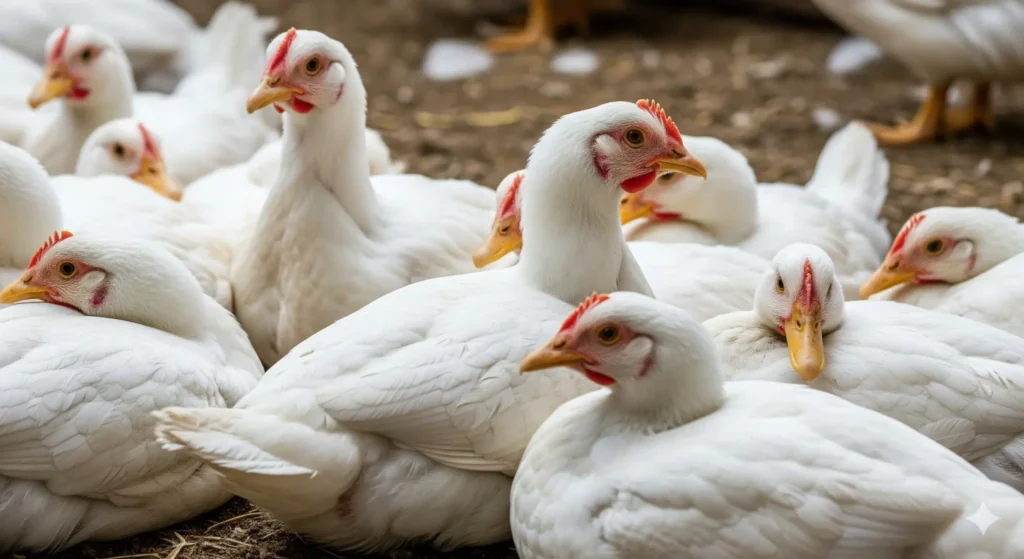
Clustering in Poultry: Is It a Behavioral Sign of Stress? Behavior in poultry often provides valuable insights into the health status of a flock. One such observable behavior is clustering—when birds huddle closely together in groups. While clustering is a common sight in poultry houses, it is important to ask: Is this a normal social […]
Boosting Immunity in Stressed Poultry Using Natural Remedies
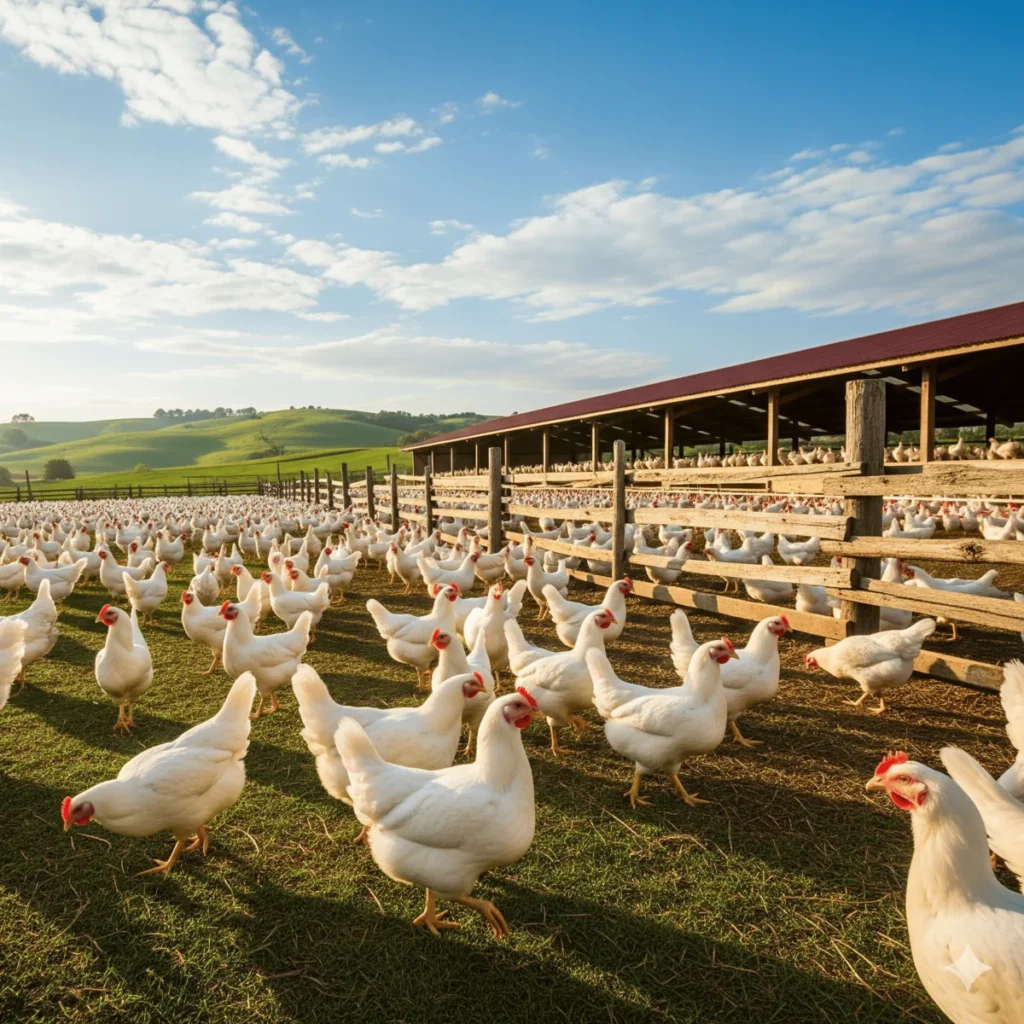
In modern poultry production, stress is an unavoidable challenge that directly impacts bird health, performance, and profitability. Stressors such as heat, cold, overcrowding, handling, vaccination, transportation, and nutritional imbalances weaken the immune system, making birds more susceptible to diseases. To maintain optimum productivity, it is essential to support the immune function of poultry, particularly under […]
Cold Stress in Poultry
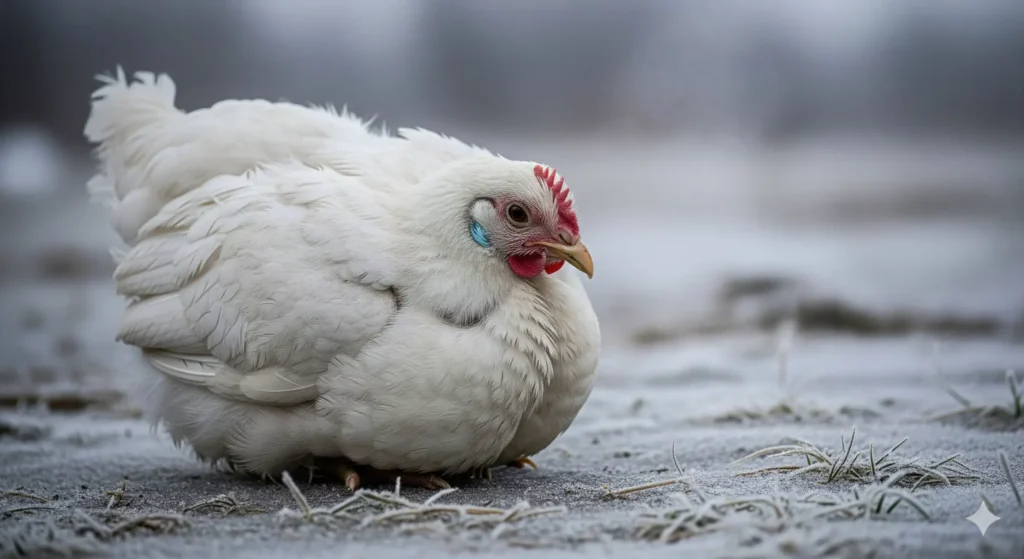
Cold stress is one of the critical environmental challenges poultry face, especially in regions with harsh winters or poorly managed housing systems. Unlike heat stress, which is more widely discussed, cold stress often receives less attention, yet it can have equally significant consequences on bird performance, welfare, and farm profitability. Proper understanding and proactive management […]
Endotoxin Stress in Poultry: Mitigation Techniques
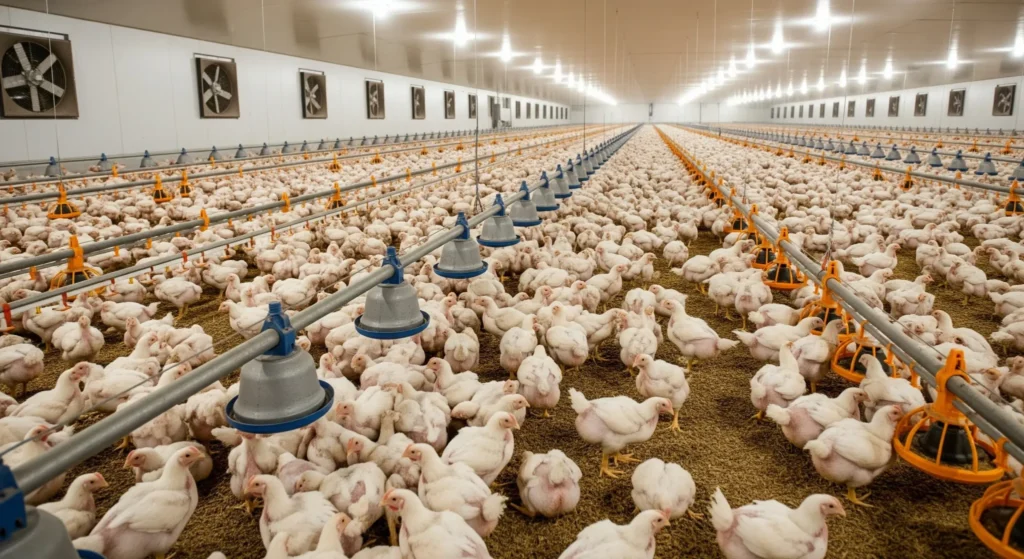
Endotoxin stress in poultry is a critical health challenge caused by bacterial endotoxins, primarily lipopolysaccharides (LPS) from gram-negative bacteria. This condition leads to inflammation, immune disruption, and diminished productivity in poultry. Understanding the symptoms, treatment, and mitigation techniques is essential for poultry producers aiming to maintain flock health and optimize performance. Understanding Endotoxin Stress in […]
Fatty Liver Syndrome in Poultry
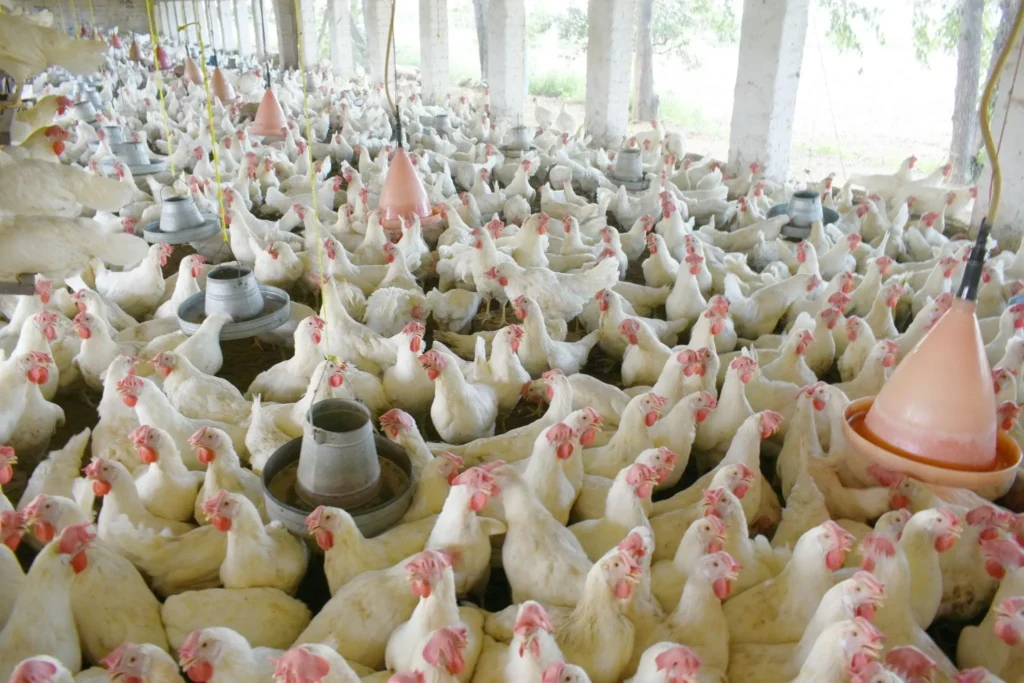
Fatty liver syndrome in poultry is a common phenomenon that significantly leads to economic losses. Fatty liver in poultry is a lipid metabolism disorder (hepatic steatosis), which is a common cause of decreased egg production and even death among commercial laying hens or caged layer hens. Nearly 40% of the deaths among caged layers occur […]
Heat and humidity stress in poultry and pig farming
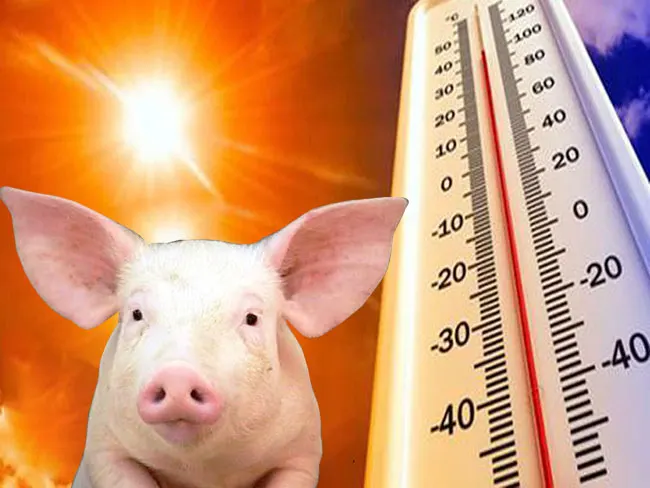
[Vietnam Livestock] – As global temperatures rise, the livestock industry faces growing challenges in maintaining the health and productivity of livestock. One of the most serious concerns today is heat stress, especially when exacerbated by high humidity. Poultry and pigs are particularly vulnerable species, with health, behavior and performance significantly affected under such conditions. […]
Optimizing Poultry Nutrition: The Role of Choline Supplementation
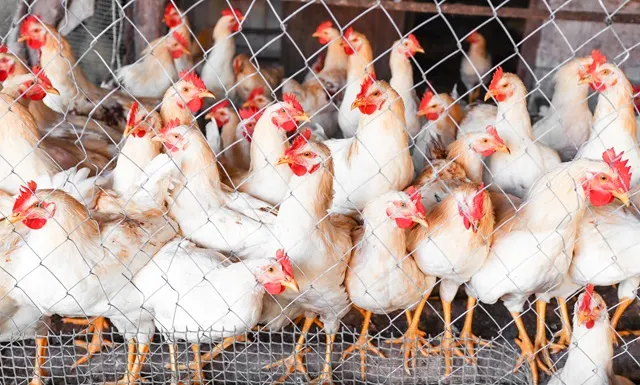
Choline supplementation plays a vital role in poultry nutrition, supporting liver health, cellular structure, and fat metabolism. While its benefits are well-acknowledged, there is ongoing debate regarding its necessity in poultry feed. Some producers include choline in most formulations, whereas others prefer selective usage, often considering alternatives such as methionine or betaine. Additionally, the potential […]
Oxidative Stress in Poultry: The Hidden Impact on Performance
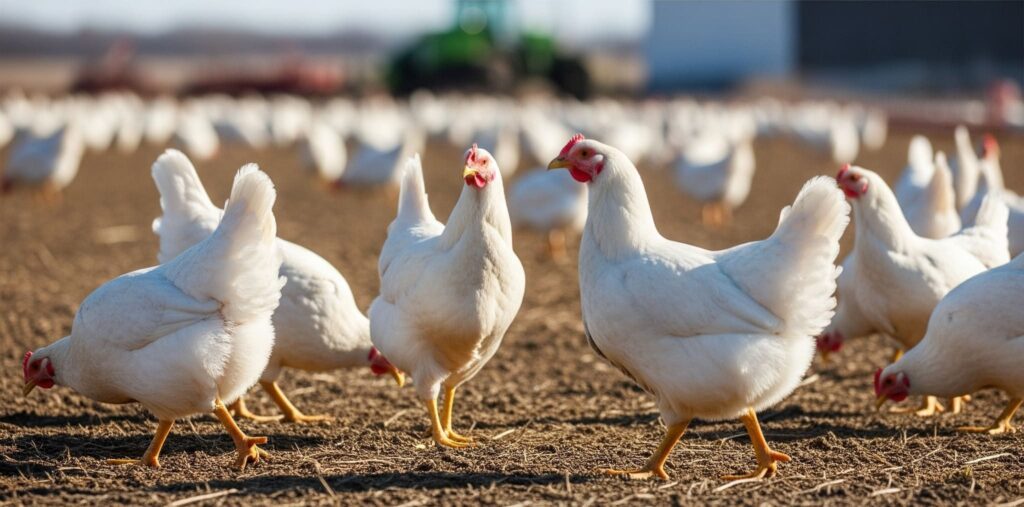
Oxidative stress in poultry is a significant concern in modern poultry production systems, particularly affecting broiler chickens. It arises from an imbalance between the generation of reactive oxygen species (ROS) and the bird’s antioxidant defense mechanisms. This imbalance leads to oxidative damage, impacting growth, productivity, gut health, and overall welfare. The multifactorial nature of oxidative […]
Understanding Uterine Prolapse in Cattle: Causes, Treatment, and Prevention
Uterine prolapse in cattle is a serious reproductive emergency that requires immediate attention. This condition occurs when the uterus is expelled through the vaginal opening, typically shortly after calving. It is essential for cattle owners and veterinarians to recognize the signs, understand the causes, and administer prompt and effective treatment to ensure the health and […]
Stressed Chicken: Types, Signs, Symptoms, Prevention, Treatment
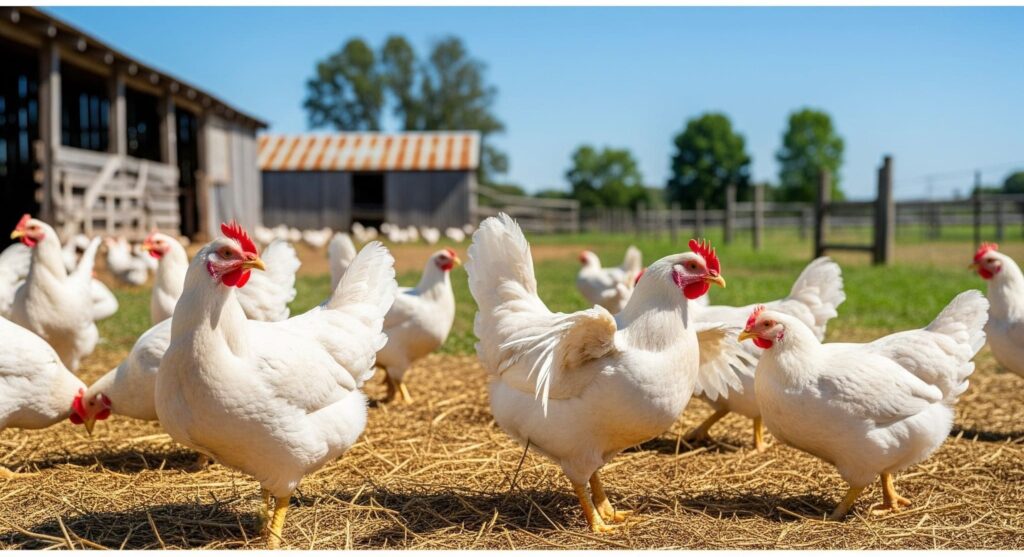
Stress in poultry is a physiological and behavioral response to environmental, nutritional, pathological, or operational challenges that threaten homeostasis. A stressed chicken’s ability to adapt to change is limited. When this capacity is overwhelmed—whether by environmental challenges, crowding, or disease—stress sets in, triggering a cascade of negative effects on health, and productivity. What Is Stress […]
Viral Infection & Ovarian Regression: What You Need To Know?
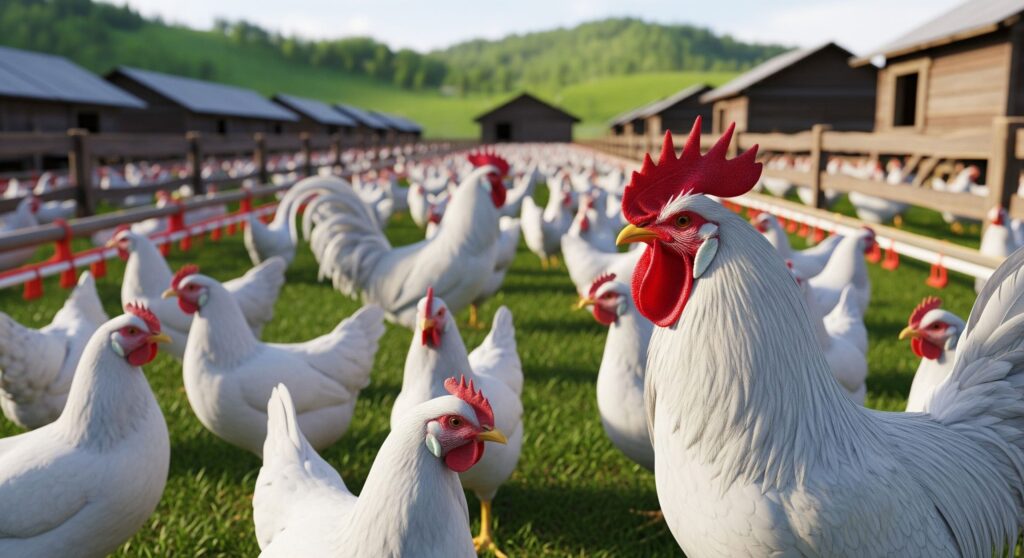
Commercial egg-laying chickens reach sexual maturity and begin laying eggs at around 16-18 weeks. By 30-32 weeks, they hit their peak egg production. During the first year of laying, hens maintain a high rate (over 90%), producing an average of more than 320 eggs. After this period, egg production gradually declines, reflecting reduced ovarian function. […]
Yoke Gall in Cattle: Causes, Symptoms, and Herbal Treatment
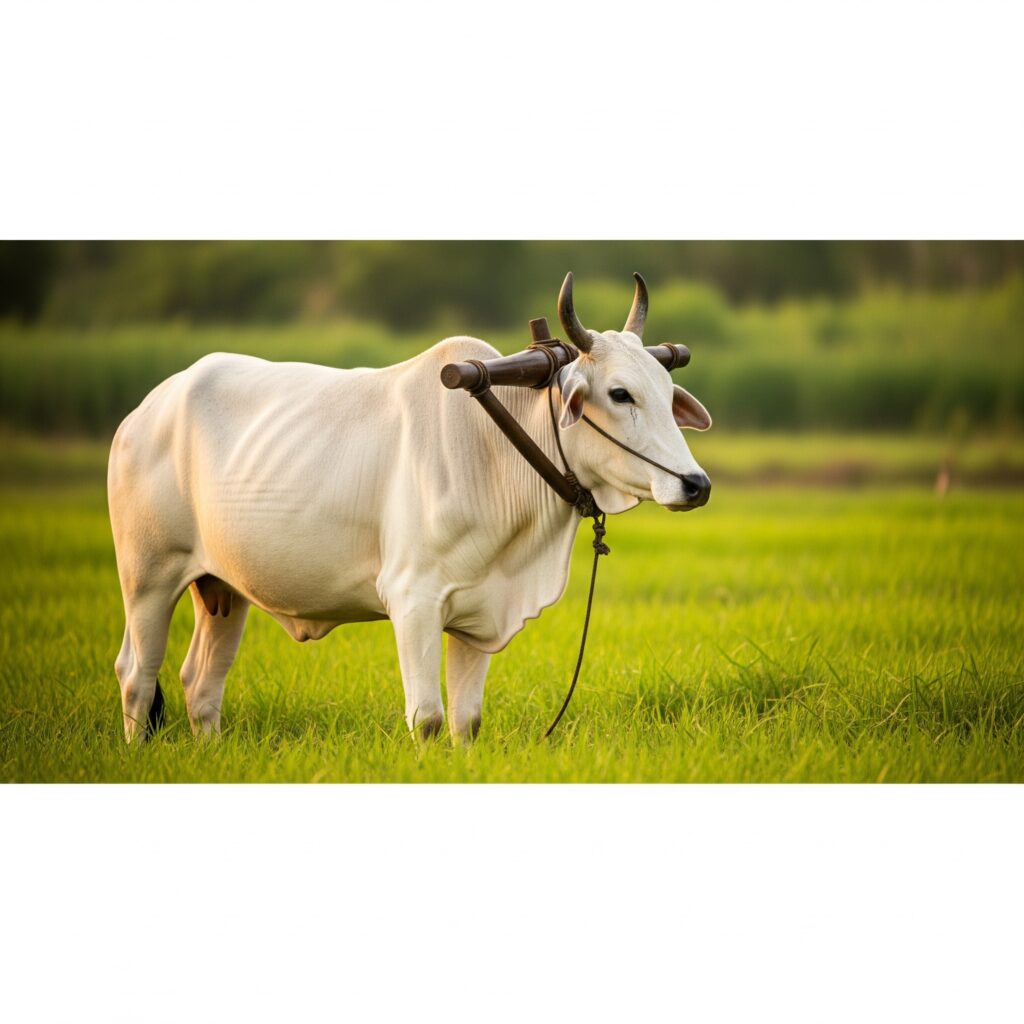
Yoke gall in cattle is a common and painful skin condition seen in working animals, especially bullocks. It occurs due to repeated friction and pressure from poorly fitted yokes, harnesses, or carts. If left untreated, it can lead to open wounds, infection, and long-term discomfort, significantly reducing the animal’s productivity and well-being. What is Yoke […]
Bovine Respiratory Disease: A Major Concern in Cattle Health
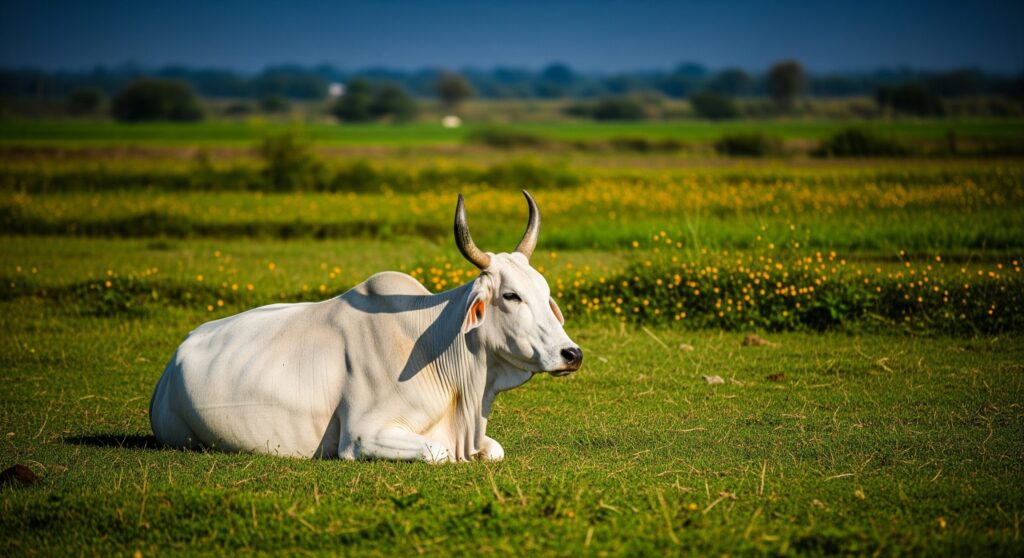
Bovine Respiratory Disease (BRD) is one of the most economically significant cattle diseases affecting the global beef and dairy industries. Also known as “shipping fever,” BRD is a complex condition caused by a combination of viral infections, bacterial pathogens, and environmental stressors. It primarily affects the lungs and airways of cattle, leading to poor performance, […]