%20(1).svg)


.png)


.png)

.png)


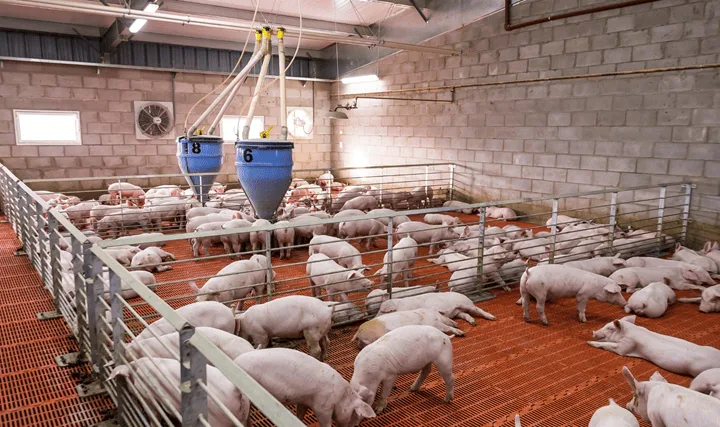
Weaning in pigs is the process of gradually transitioning piglets from a milk-based diet to a solid food diet. It is a very important stage in a piglet’s life.
In the first hours after a piglet is born, the sow produces colostrum, which then becomes breast milk that offers vital antibodies to protect the newborn against infections. As the piglets grow, they continue to nurse from the sow. The sow provides proteins, fats, carbohydrates, vitamins, and minerals necessary for the healthy growth of the piglets.
At this stage of lactation, it is also necessary to cut the umbilical cord, trim the fangs, record body weight, and administer essential minerals. Such practices reduce health risks and improve proper growth.
The meaning and importance of weaning in pigs
Weaning in pigs is always a stressful time in pig production and affects both the sow and the piglet. For piglets, it may be a difficult time to be weaned from the sow (mother) and introduced to a substitute for a milk-based diet with solid food. And for sows, it initiates a series of hormonal changes that indicate the beginning of a new reproductive cycle. This blog will basically explain everything related to the weaning process. But first, let’s address one of the main questions:
What is the weaning age of piglets?
The weaning period in pigs depends on many factors, the breed, the climate, and especially the production system being practiced. Apparently, in their natural habitat, they are weaned from their mother between 13 and 17 weeks. In modern intensive farming systems, early weaning techniques are often used to improve sow production and also to reduce the risk of piglet mortality.
In efficient production, which is widely known as early weaning, the average weight of piglets is approximately 6-8 kilograms. Under such conditions, most piglets are often expected to be ready for weaning in approximately 17-21 days. However, in productions with greater challenges in achieving ideal weight and physiology, piglets are likely to be weaned earlier than expected, which extends the weaning age of piglets.
On small-scale farms, it has been advised that piglets be weaned at 28 days of age to allow them to reach the desired weight and ability to be weaned.
Let’s delve into ‘Piglet Weaning Management’
Feeding piglets requires careful attention. As they mature, it is important to maintain their constant supply of food. Do not make sudden changes in the diet, as it will disrupt their digestive system. Ideal piglet weaning management says that, from approximately 7 to 10 days, start with a special pre-starter feed to help them prepare for weaning. After reaching a weight of 12 to 15 kilograms, start feeding a ‘starter’ diet to effect the transition. It will help their overall growth and productivity.
Symptoms of weaning in pigs
In fact, weaning is a challenging time for piglets, often leading to a variety of physical and behavioral changes. By understanding these symptoms of weaning in pigs and taking proactive measures, you can help your piglets make a smooth transition and maintain their health.
Physical and behavioral symptoms of weaning in pigs
- Reduced appetite and weight loss:
During the weaning process in pigs, piglets may experience a decreased interest in eating, leading to weight loss. This is all due to stress, discomfort, or digestive problems, such as diarrhea or constipation, which are often caused by changes in diet and separation from the sow
- Increased susceptibility to diseases:
Weaning can weaken a piglet’s immune system, making it more susceptible to infections. However, at that time, the risk of infections can be prevented by feeding them good diets, keeping their environment clean, and administering the necessary immunizations
- Increased aggression and vocalization:
One of the main consequences of weaning is that pigs appear to be more aggressive or show more fighting by piglets due to stress or competition. Not only that, weaning can lead to increased squealing or other vocalizations as piglets express discomfort or distress. This can be a sign of pain, fear, or separation anxiety
- Reduced activity level:
Finally, pay attention to such signs: reduced activity, or even lameness, is necessary. In addition, it can cause stress, illness, or even pain among piglets. Decreased activity also has an effect on feed intake and weight loss because the animal has to expend less energy for activity, so it needs less feed
These are signs that should be observed in piglets, and if observed, it is advisable to consult with the veterinarian.
Problems associated with weaning in pigs
Cannibalism
When piglets become stressed, bored, or frustrated, or when there are too many piglets in the room with the least amount of space to move around, they start biting each other. This is called cannibalism. It can result in injuries and even death. To avoid crushing piglets, farmers must ensure that piglets have enough space to move around, are well fed, and remain in a comfortable environment
Growth problems:
- Poor hygiene habits:
Piglets can sometimes develop bad habits, such as soiling their bedding or eating their own feces. This is a cause for concern, as it can lead to health problems and a messy environment. These bad habits can be caused by stress, discomfort, and inadequate sanitation. Therefore, to address those problems, producers should focus on key areas such as clean bedding, proper sanitation, management of sick pigs, etc.
- Reduced growth rates:
Piglets are often very stressed at weaning and this can depress feed intake of weaned pigs and therefore growth during the first few weeks after weaning
- Feeding frequency and stomach pH
Feeding frequency greatly affects a piglet’s gastrointestinal tract. If fed twice a day, piglets eat large amounts of food in a short period of time, which overloads their digestive systems. This can lead to rapid emptying of the stomach and also poor nutrient absorption, which further promotes the reproduction of bacteria in the stomach.
On the other hand, giving piglets small portions at a time is more dignified and helps them easily assimilate nutrients, as they feed in small portions but frequently. The pH in the stomach remains relatively constant and does not allow excessive bacterial growth and therefore does not cause diarrhea in this ration
- Diarrhea:
This is a condition in which piglets experience diarrhea, which can lead to dehydration and malnutrition. Diarrhea can be caused by a variety of factors, including bacterial infections, viral infections, and imbalances in the diet. Producers can help prevent diarrhea by providing clean water, ensuring proper nutrition, and vaccinating piglets against common diseases
The role of starter feed
The feed for weaned pigs plays a crucial role in their health and development. Starter feed, a scientifically formulated diet that is fed to piglets before they are naturally weaned from their mother’s milk. It is rich in nutrients and energy, and often contains digestive enzymes and antibiotics. Flavorings make it more attractive. This prepares their digestive systems for a gradual change to solid foods and helps calm them.
In addition, to overcome all post-weaning challenges, farmers must follow some management practices. Here they are in detail…
Management practices to mitigate post-weaning challenges
- Leveraging intermittent lactation:
Although the long-term benefits may be limited, allowing piglets to suckle occasionally after weaning can give them a short-term boost to their feeding and growth. This is particularly useful for piglets who had trouble feeding well during lactation
- Preventing the spread of pathogens:
Mixing piglets from different litters can be risky from a disease standpoint. So to avoid that, keep the same group together and help them stay safe
- Leveraging the power of light:
Increasing light exposure can encourage piglets to consume more and be more active. However, it is important to be aware of potential aggression issues that may arise with higher light levels
- Staggering stressors:
Graduating multiple stressors at once can be very challenging for piglets. If changes are made gradually, such as moving to a new environment or changing their diet, then it would be less stressful for the piglets.
Weaning in pigs is a critical stage in piglet development. By understanding the importance of weaning, the ideal weaning age, and effective management practices, producers can ensure a smooth transition for their piglets, leading to improved health, growth, and overall productivity.