%20(1).svg)


.png)


.png)

.png)


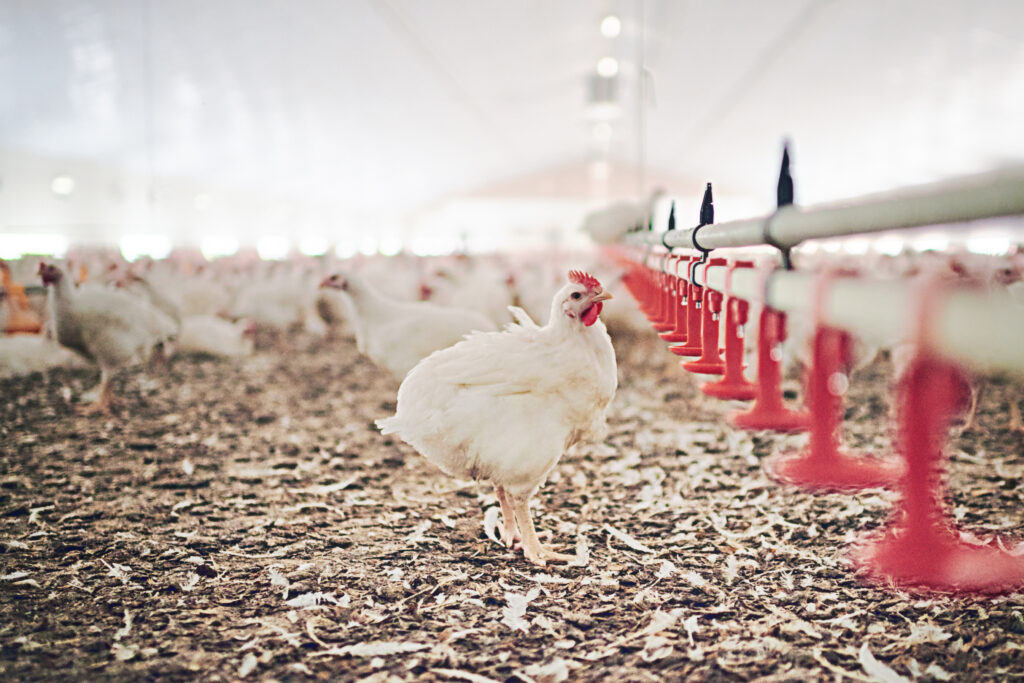
Modern layer production has advanced significantly, with birds capable of delivering high levels of egg output. However, sustaining this performance requires a balanced approach that combines nutrition, bird health, and effective management practices. Consistency across these areas is essential to maintain productivity throughout the laying cycle.
Improving Nutrient Utilization for Better Productivity
One of the most important factors influencing layer performance is how efficiently birds utilize their feed. When digestion is optimal, nutrients are absorbed more effectively, supporting egg production and overall health. Natural plant-based components can play a role in enhancing digestive efficiency by supporting enzyme activity and improving nutrient availability. This ultimately helps birds make better use of feed, contributing to improved performance.
The Importance of Gut Health in Laying Hens
Gut health is closely linked to productivity in layers. A well-balanced gut environment allows for better nutrient absorption and supports the bird’s natural defense mechanisms. Maintaining this balance helps reduce the presence of harmful microbes while supporting beneficial ones, leading to improved consistency in egg production and bird well-being.
Managing Stress and Environmental Challenges
Environmental conditions, particularly stress, can significantly impact layer performance. High temperatures often lead to reduced feed intake, lower egg production, and compromised shell quality. Managing these challenges requires a combination of proper ventilation, cooling strategies, and access to clean water. Addressing environmental stressors is critical to maintaining stable production levels.
Supporting Bird Resilience and Internal Balance
Stress conditions can lead to internal imbalances, including oxidative stress and inflammation, which negatively affect productivity. Supporting the bird’s natural ability to cope with stress helps maintain normal physiological functions, including those related to egg production. Strengthening this resilience ensures birds continue to perform even under challenging conditions.
The Role of Consistent Management Practices
Beyond nutrition and health, day-to-day management plays a vital role in layer performance. Uniform flock development, structured lighting programs, and consistent feeding schedules all contribute to stable output. Birds that are well-managed from an early stage tend to show better performance throughout their productive life.
Driving Sustainable Egg Production
Sustainable layer production is achieved by combining efficient nutrition, strong bird health, and effective management. By focusing on digestion, gut health, and stress management, producers can enhance both productivity and bird welfare, ensuring long-term success and profitability.
The Emerging Role of Phytogenics in Layer Production
As layer production continues to evolve, there is a growing focus on sustainable and chemical-free approaches to maintaining performance. In this context, phytogenics are gaining attention as a supportive nutritional strategy. Derived from natural plant sources, they are known to contribute to improved digestion, better gut balance, and enhanced resilience to stress.
When integrated thoughtfully into feeding programs, phytogenics can complement overall management practices by supporting consistent productivity and bird health. While they are not a standalone solution, their role in promoting efficiency and stability in layer operations is becoming increasingly relevant in modern poultry production systems.