%20(1).svg)


.png)


.png)

.png)


Stress is an inevitable part of livestock production, but when it becomes constant or unmanaged, it affects the animal’s entire biological system. Every stressful event triggers the release of cortisol, the body’s key stress hormone. While short-term spikes in cortisol help animals respond to immediate challenges, long-term elevation can compromise immunity, reduce productivity, and diminish overall well-being.
Recognizing the different types of stress allows producers to take timely measures that safeguard health, performance, and welfare.
1. Environmental Stress
Environmental conditions shape how comfortably animals can function each day. When the surroundings become challenging, animals must spend extra energy to maintain normal body functions.
Heat Stress
High temperatures disrupt the animal’s ability to regulate body heat. As a result, feed intake drops, productivity declines, and overall physiological strain increases.
Humidity Stress
Elevated humidity intensifies the perception of heat. Even moderately warm conditions can become stressful as Temperature-Humidity Index (THI) levels rise, making animals more vulnerable to heat-related issues.
Cold Stress
Extended exposure to low temperatures forces animals to use additional energy to stay warm. This can weaken immunity and slow down growth or production rates.
Ammonia Stress
Poor air circulation leads to high ammonia levels, which can irritate and damage respiratory tissues. This increases vulnerability to infections and reduces performance.
Farm Environment Stress
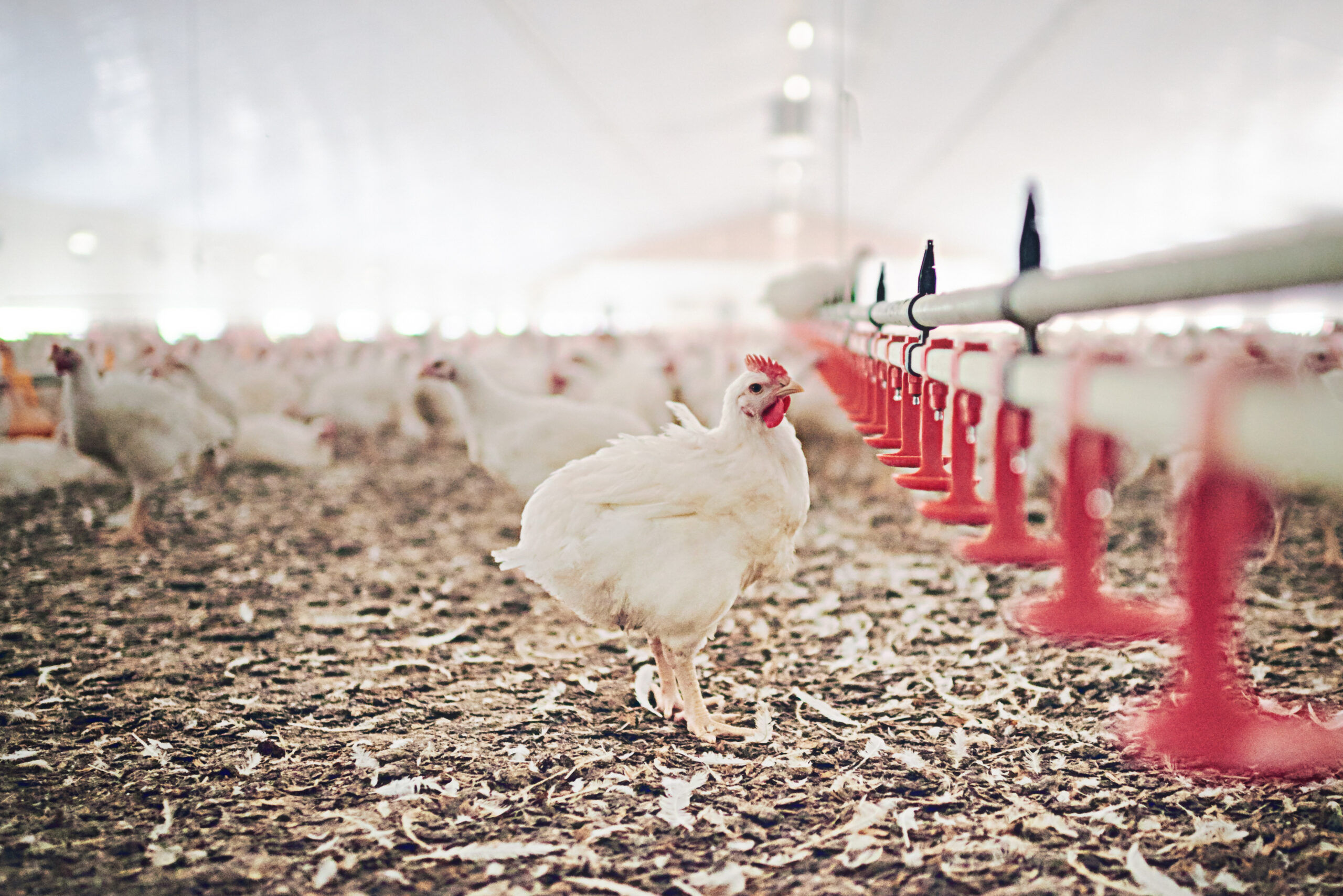
Persistent noise, poor lighting, slippery floors, overcrowded pens, or unhygienic housing collectively create discomfort and behavioural stress, affecting daily performance.
2. Physiological & Metabolic Stress
These stressors occur within the animal’s body, often as a response to disease, production demands, or internal imbalances.
Disease Stress
When animals face infections or parasitic burdens, the immune system consumes significant energy. This diverts nutrients away from growth, reproduction, and production.
Oxidative Stress
Prolonged physical or environmental pressure can increase free radical production. When antioxidants are inadequate, cells experience oxidative damage, affecting performance and long-term health.
Metabolic Stress
Periods of high energy demand—such as lactation, gestation, or peak production—can push the body into metabolic strain if nutrient supply does not meet requirements.
Production Stress
Animals bred or managed for intensive output (milk, eggs, or rapid growth) can experience strain on organs, bones, and metabolism when pushed close to their physiological limits.
Reproductive Stress
Hormonal imbalances, repeated breeding cycles, or fertility challenges can interfere with reproductive efficiency and increase stress in both males and females.
Parturition Stress
The birthing process places considerable physical and hormonal pressure on the dam, affecting recovery, feed intake, and maternal behaviour.
3. Nutritional Stress
Nutrition is central to animal health, and even small disturbances can create significant stress.
Nutritional Stress
Poor-quality raw materials, mycotoxins, nutrient imbalances, or abrupt changes in feed can disrupt digestion, reduce immunity, and negatively affect growth or production. Water quality issues can further intensify the stress load.
4. Management-Induced Stress
Day-to-day farm practices, if not planned or executed well, can unintentionally elevate stress levels.
Handling Stress
Rough handling or inconsistent routines during weighing, vaccination, or transportation causes fear, behavioural changes, and sometimes injuries.
Vaccination Stress
Vaccination is essential, but it temporarily activates the immune system, which may lead to mild discomfort, reduced feed intake, or short-term performance dips.
Weaning Stress
Young animals experience both nutritional and social disruption when separated from their mothers. This often results in lower feed intake, slower growth, and higher susceptibility to disease.
Stalking Stress
Constant human presence or intrusive observation can alter natural behaviour patterns, increasing stress and anxiety in animals.
General Management Stress
Poor hygiene, irregular feeding schedules, inconsistent routines, or inadequate housing conditions add to the cumulative stress burden.
5. Social & Psychological Stress
Livestock are social creatures, and disruptions in social structure can significantly impact their behaviour and physiology.
Social Stress
Dominance fights, isolation, or unstable group dynamics can elevate stress hormones and reduce normal feeding and resting patterns.
Regrouping Stress
Mixing unfamiliar animals disrupts the established hierarchy, often leading to aggression, anxiety, and decreased feed intake.
High Stocking Stress
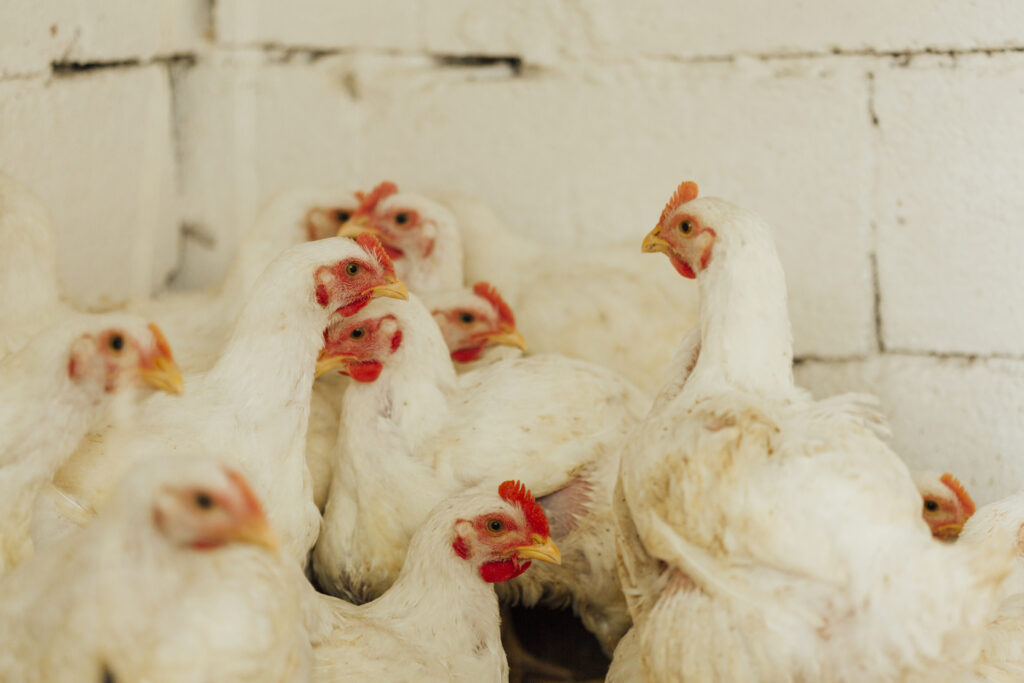
Overcrowded housing creates competition for space, feed, and water. This limits movement, increases aggression, and reduces overall productivity.
Phytocee, a natural defence enhancer, reduces stress due to its adaptogenic, immunomodulator and anti-stress properties, helping animals to resist all types of stress.