%20(1).svg)


.png)


.png)

.png)


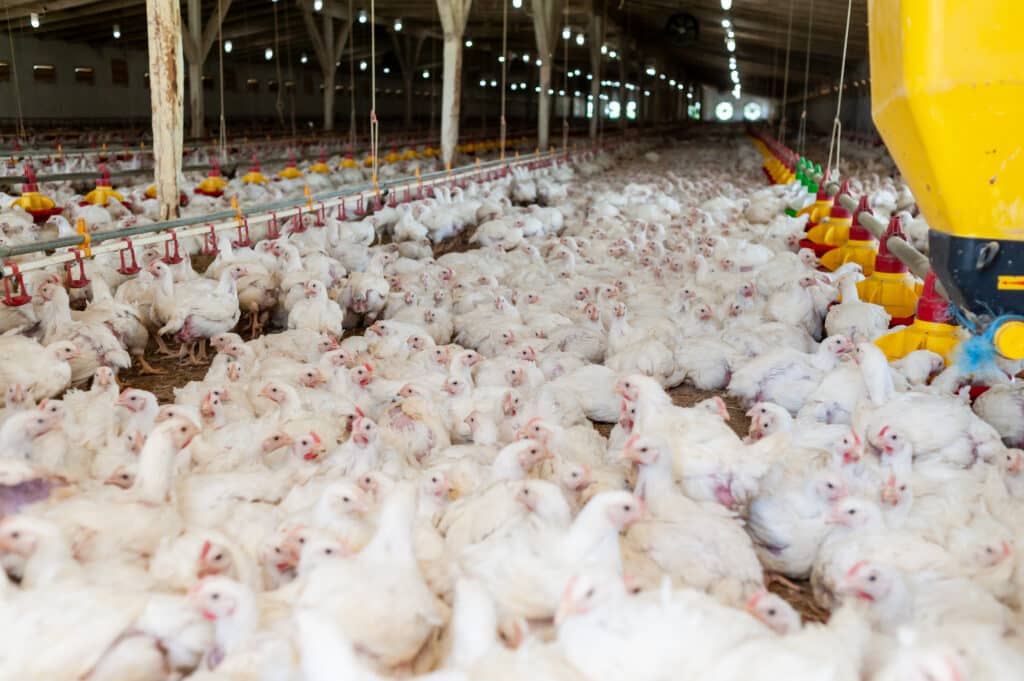
Diseases and their control continue to be among the most critical challenges in modern production systems. Despite advancements in genetics, nutrition, housing, and farm management, health risks remain a constant threat to productivity and profitability. As global demand for meat, milk, and eggs continues to rise, production systems are under increasing pressure to deliver higher efficiency, improved feed conversion, and consistent output. In such high-performance environments, even minor health disruptions can lead to significant economic consequences.
Achieving peak performance requires optimal environmental, nutritional, and managerial conditions. However, even in well-managed systems, the margin between health and disease is narrow. Factors such as stocking density, climatic fluctuations, pathogen load, and feed variability can quickly tip the balance. A single outbreak can compromise growth rates, production efficiency, and overall operational stability.
Traditionally, disease control strategies have relied heavily on curative measures, including therapeutic treatments and targeted medical interventions. While these measures remain essential components of health management, growing concerns around antimicrobial resistance, regulatory pressures, and the financial losses associated with disease outbreaks underscore the limitations of a reactive approach. This has accelerated the shift toward preventive, system-wide health management models.
A Holistic Approach to Disease Management
Holistic disease management recognises that health outcomes are closely interconnected with environmental conditions, nutrition, and overall farm management practices. Rather than focusing solely on treatment, it emphasizes prevention, resilience, and risk mitigation.
Biosecurity forms the foundation of this approach, acting as the first line of defence against pathogen entry and spread. Controlled farm access, sanitation protocols, and structured monitoring systems are critical components. At the same time, minimizing stressors such as overcrowding, inadequate ventilation, abrupt dietary changes, and thermal stress is equally important, as these factors can weaken immune competence and increase susceptibility to infections.
Nutrition also plays a strategic role. Balanced diets supported with adequate vitamins, trace minerals, and gut-stabilizing additives help strengthen immune response, maintain gut integrity, and enhance metabolic efficiency. A well-supported immune system reduces vulnerability and supports consistent production performance.
Collaboration and Prevention as Strategic Priorities
Holistic disease management extends beyond veterinary intervention. It requires coordinated efforts among nutritionists, farm managers, veterinarians, and technical advisors. By aligning biosecurity, nutrition, and operational practices, producers can reduce disease pressure, enhance system resilience, and protect long-term productivity.
In an increasingly demanding production landscape, prevention and system optimization are no longer optional—they are strategic imperatives for sustainable performance.