%20(1).svg)


.png)


.png)

.png)


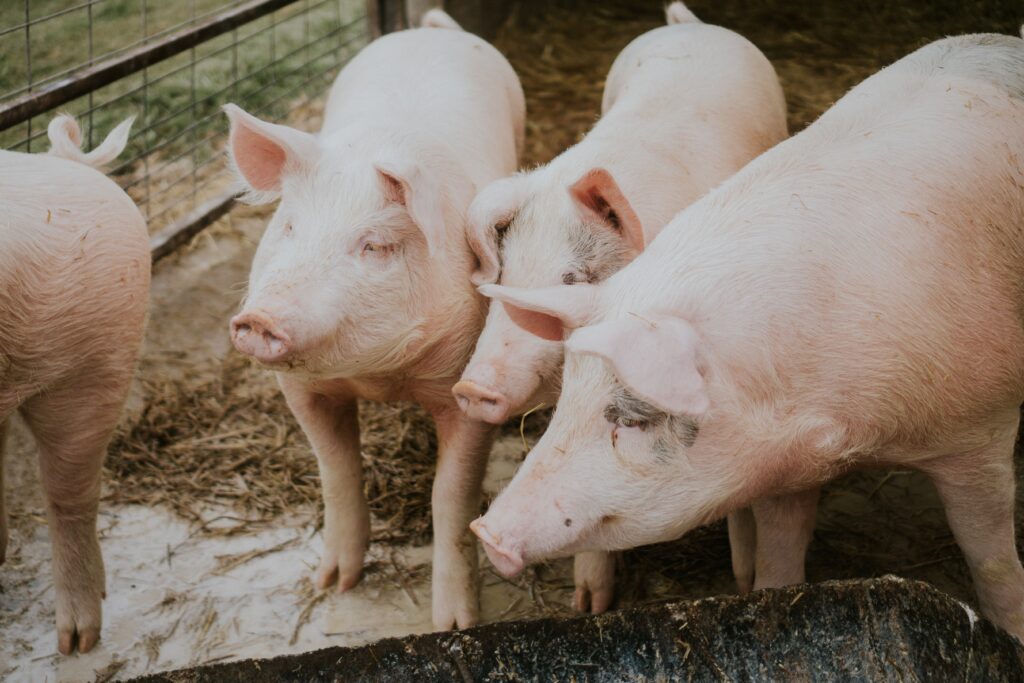
Heat stress is a persistent challenge for swine producers, particularly in tropical and sub-tropical regions where high temperatures and humidity frequently exceed the pig’s thermoneutral range. Unlike other livestock species, pigs have limited sweat glands and rely primarily on respiration and behavioural adjustments to dissipate heat. As a result, even moderate rises in environmental temperature can disrupt their homeostasis, affecting productivity, health, and overall welfare.
Understanding Heat Stress in Swine
The thermoneutral zone for most pigs ranges between 18–22°C, though it varies by age and production stage. Above this threshold, pigs experience increased physiological strain as the body struggles to maintain internal temperature. High humidity further limits evaporative cooling, intensifying the stress response.
Heat stress triggers a cascade of physiological changes:
- Reduced Feed Intake: To decrease metabolic heat production, pigs reduce voluntary feed intake, resulting in lower growth rates, poor feed conversion, and reduced reproductive performance.
- Respiratory and Cardiovascular Strain: Increased respiration rate, panting, and peripheral vasodilation are common. Over time, these responses can impair organ function and elevate mortality risks.
- Oxidative and Immune Stress: Heat stress increases the production of reactive oxygen species (ROS), overwhelming the pig’s antioxidant defence system. This oxidative load weakens cellular function and compromises immunity.
- Hormonal Imbalance: Elevated cortisol and altered metabolic hormones shift nutrient utilisation away from growth and reproduction.
The cumulative effect is significant economic loss across nursery, grow-finish, and breeding operations.
The Role of Phytogenics in Heat Stress Management
Phytogenic feed additives (PFAs)—bioactive compounds derived from herbs, spices, and plant extracts—are gaining prominence as a natural, multifunctional strategy to support pigs under heat stress. Their antioxidant, anti-inflammatory, antimicrobial, and adaptogenic properties make them valuable in maintaining performance during challenging environmental conditions.
1. Antioxidant Defence Support
Heat stress accelerates oxidative damage in pigs, particularly in gut and muscle tissues. Phytogenic compounds such as curcuminoids, polyphenols, and essential oils enhance endogenous antioxidant enzymes (SOD, CAT, GPx), helping neutralise excess ROS. This protects cellular integrity and supports metabolic efficiency during heat stress.
2. Anti-inflammatory Effects
Heat stress activates inflammatory pathways, leading to compromised gut barrier function and reduced nutrient absorption. Phytogenics modulate pro-inflammatory cytokines, helping to stabilise gut integrity and improve resilience. A healthier gut translates to better feed efficiency even when intake is reduced.
3. Improved Gut Microbiota Balance
Gut health is a critical determinant of performance under heat stress. Phytogenics with antimicrobial and gut-modulatory effects reduce pathogenic load, enhance beneficial microbiota, and improve nutrient utilisation. This is especially important in pigs, where heat stress often triggers gastrointestinal dysbiosis.
4. Adaptogenic Support
Certain botanical extracts function as adaptogens, helping pigs maintain physiological balance under thermal load. They reduce cortisol levels, support energy metabolism, and improve behavioural calmness—creating better conditions for growth and reproduction.
A Sustainable Approach for Modern Swine Systems
With increasing pressure to optimise efficiency and move away from antibiotic-reliant systems, phytogenics offer a residue-free, science-driven alternative for heat stress management. Their ability to address multiple physiological pathways positions them as a strategic tool for producers aiming for sustainable, high-performance swine operations.
Conclusion
Heat stress in swine is unavoidable, but its negative impact can be significantly reduced. By integrating phytogenic feed additives into nutrition programs, producers can strengthen antioxidant capacity, support gut health, and improve overall resilience. As climates continue to warm and production intensifies, phytogenics deliver a practical and long-term solution to safeguarding swine productivity and welfare.