%20(1).svg)


.png)


.png)

.png)


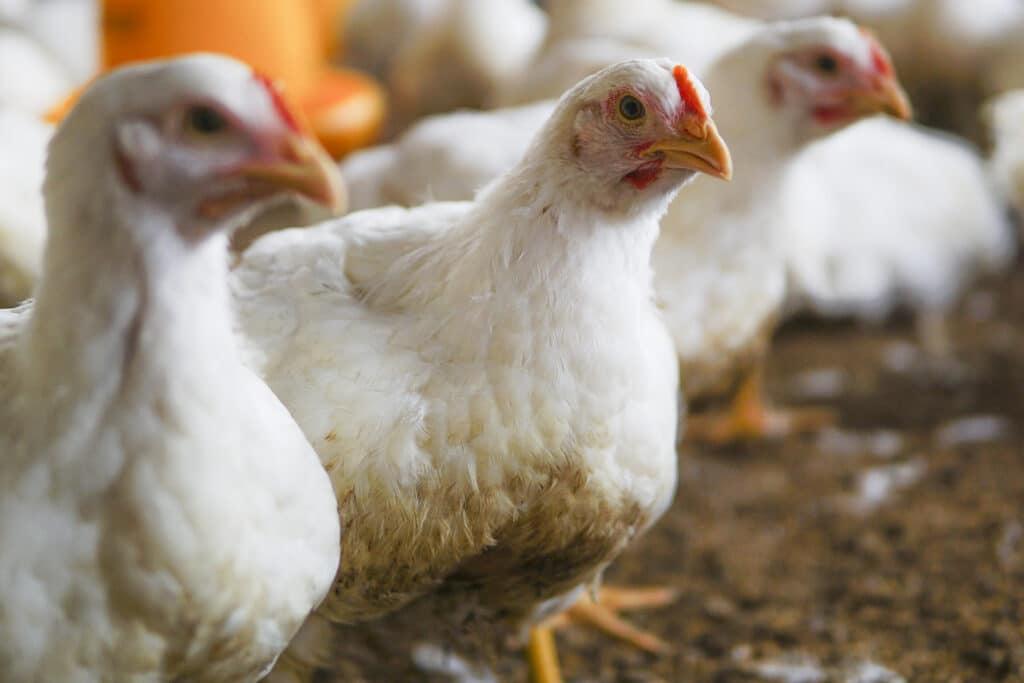
The poultry sector remains a key pillar of the agricultural economy, supporting livelihoods and ensuring a consistent supply of eggs and meat to meet global protein demand. However, disease-related challenges continue to pose risks to productivity and farm profitability.
Loose droppings are a frequently observed condition in poultry, characterized by unformed feces with higher water content. While common, this condition is complex in nature, as it does not stem from a single identifiable cause.
One of the primary challenges in managing loose droppings lies in its non-specific origin. Multiple interrelated factors—particularly those linked to environment, management, and nutrition—can contribute to its occurrence, making diagnosis and control more nuanced.
Key Contributing Factors
Environmental and Management Factors
Several on-farm conditions can predispose birds to loose droppings:
- Water Quality:
Water plays a critical role in maintaining gut health. Slightly acidic water (pH 6.2–6.8) supports optimal physiological function. Deviations in pH or elevated levels of sodium and sulfates can increase water intake and disrupt gut integrity, contributing to wet droppings. - Ambient Temperature:
High temperatures can induce heat stress, prompting increased water consumption and reduced feed intake. This imbalance can impair intestinal integrity and lead to gut inflammation. Conversely, low temperatures combined with high humidity may reduce water intake and alter gut microbial balance. - Humidity and Ammonia:
Inadequate ventilation can elevate humidity and ammonia levels within poultry houses. Ammonia concentrations above 25 ppm are detrimental, affecting organ function, energy metabolism, and gut health. It also compromises respiratory defenses, increasing susceptibility to infections. - Flock Density:
Overcrowding elevates stress, limits access to feed and water, and increases litter moisture. These conditions negatively affect digestion and intestinal water absorption. - Litter Management:
Poor litter conditions increase moisture levels and ammonia buildup, reducing bird comfort and altering feeding behavior. This can indirectly impair gut function and contribute to loose droppings.
Nutritional Factors
Diet composition significantly influences gut health and droppings consistency:
- The use of alternative feed ingredients—often driven by cost fluctuations—may introduce anti-nutritional factors.
- High levels of non-starch polysaccharides (NSPs), DDGS, low-quality soybean meal, inferior fats, and excess minerals can impair digestion.
- Soybean meal, particularly when inadequately processed, may contain elevated trypsin inhibitors, leading to faster feed passage and reduced nutrient utilization.
Economic Implications
Loose droppings can have a measurable economic impact on poultry operations. Reduced growth performance, compromised feed conversion, increased mortality, and higher expenditure on feed and healthcare collectively affect farm profitability. Effective management strategies are therefore essential.
Maintaining optimal environmental conditions, ensuring high-quality water, and providing balanced nutrition are foundational to mitigating these challenges.
Role of Phytogenic Solutions
Phytogenic feed additives offer a promising approach to managing non-pathogenic loose droppings. These plant-derived solutions contain bioactive compounds that may support gut health through antimicrobial, anti-inflammatory, and antioxidant effects.
Stodi, a phytogenic formulation comprising Punica granatum, Andrographis paniculata, Acacia nilotica, Terminalia bellirica, and Holarrhena antidysenterica, is designed to support gut integrity and prevent and reduce the incidence of loose droppings.
Loose droppings in poultry represent a multifactorial challenge with direct economic consequences. Addressing this issue requires an integrated approach combining effective environmental management, nutritional optimization, and targeted feed interventions.
Phytogenic solutions such as Stodi can play a supportive role by enhancing gut function, stabilizing intestinal conditions, and contributing to improved overall performance in poultry systems.