%20(1).svg)


.png)


.png)

.png)


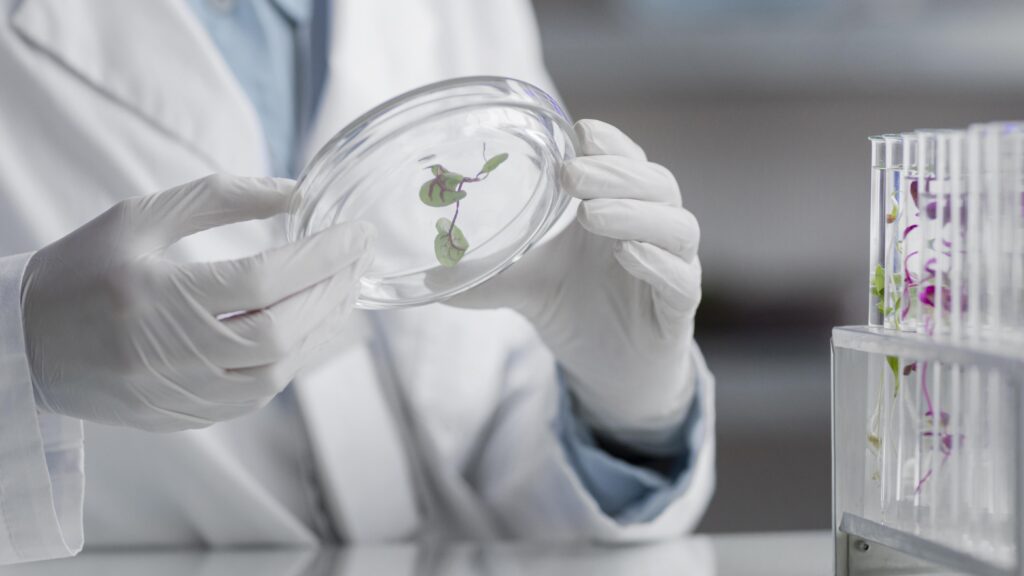
The animal nutrition industry is rapidly evolving, with greater focus on efficiency, consistency, and sustainable performance. One innovation leading this shift is Precision Phytogenics.
Unlike traditional phytogenic feed additives made from whole plant extracts, precision phytogenic solutions are standardized, targeted, and designed for measurable outcomes.
What is Precision Phytogenic?
Precision phytogenic refers to the use of selected phytochemicals based on their chemical structure, polarity, and biological function. Instead of relying on broad-spectrum herbal blends, this method identifies the right active compounds for the right purpose.
These compounds are carefully selected to support:
- Gut health
- Feed efficiency
- Immunity
- Stress management
- Antioxidant protection
- Disease resilience
This makes precision phytogenic technology highly relevant for modern poultry, swine, and ruminant production systems.
Why Precision Matters in Phytogenics
Traditional plant extracts can vary due to raw material quality, seasonality, and processing methods. Precision phytogenic overcomes this challenge through:
1. Standardization
Consistent concentration of active compounds ensures repeatable performance.
2. Targeted Functionality
Specific phytochemicals are selected for defined biological responses.
3. Better Bioavailability
Optimized formulations improve absorption and efficacy.
4. Sustainable Performance
Reduces dependency on synthetic inputs while supporting productivity.
Key Phytochemical Classes in Precision Phytogenic
Terpenoids and Essential Oils
Compounds such as thymol, eugenol, menthol, and cineole are known for antimicrobial and digestion-enhancing properties.
Benefits:
- Supports gut microbial balance
- Improves feed intake
- Enhances digestion
- Reduces pathogen load
Phenolics and Polyphenols
Examples include quercetin, catechins, tannins, and ferulic acid.
Benefits:
- Strong antioxidant protection
- Reduces oxidative stress
- Supports immunity
- Improves intestinal integrity
Saponins
Benefits:
- Supports gut health
- Helps manage protozoal challenges
- Reduces ammonia emissions
- Enhances nutrient absorption
Alkaloids
Examples include capsaicin, piperine, and berberine.
Benefits:
- Stimulates metabolism
- Supports appetite regulation
- Offers antimicrobial effects
Precision Phytogenic in Poultry Production
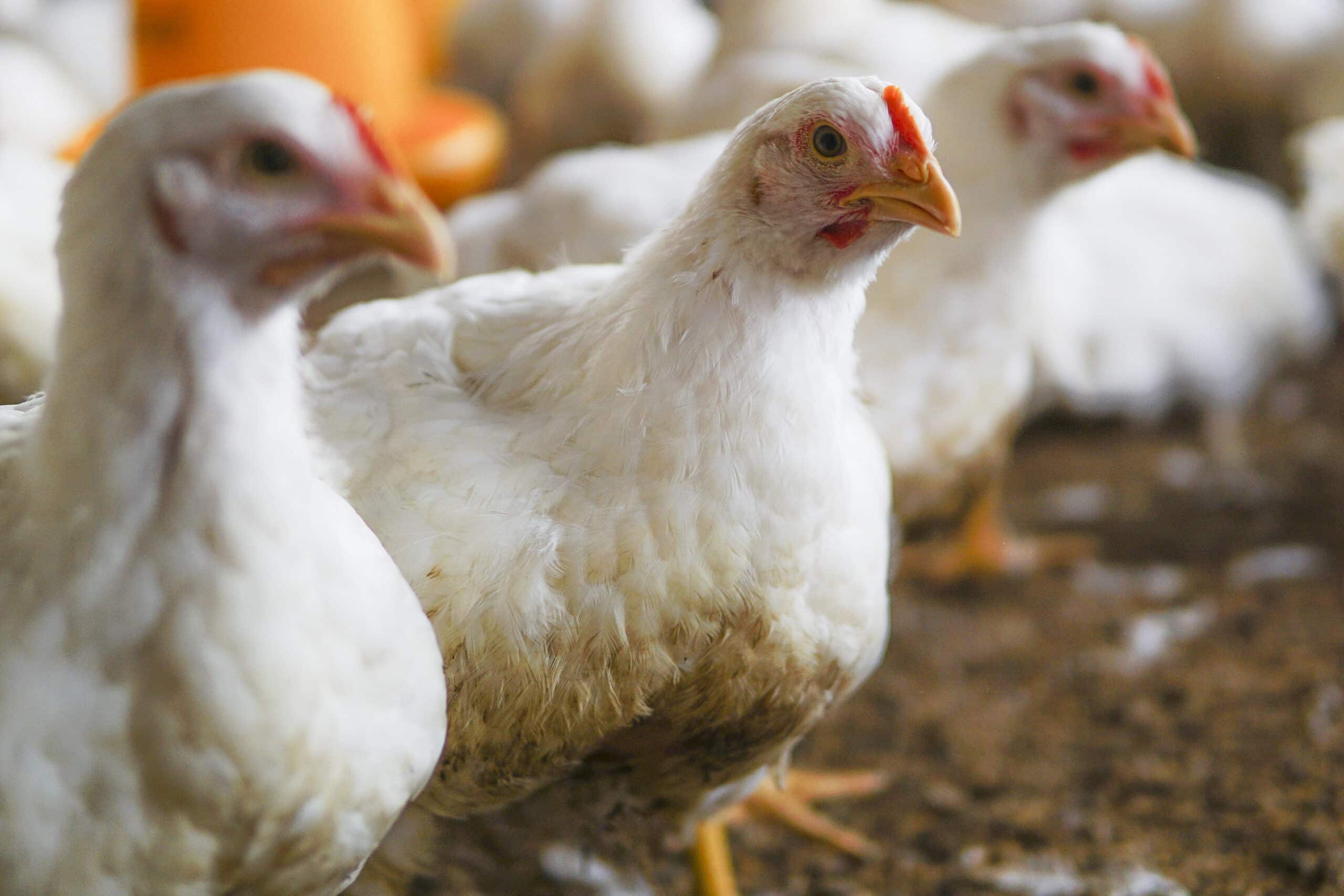
In poultry farming, precision phytogenic solutions are increasingly used to improve productivity naturally.
They help support:
- Better feed conversion ratio (FCR)
- Improved egg quality
- Stronger immunity
- Heat stress management
- Enhanced gut health in broilers and layers
This makes them valuable tools in antibiotic reduction programs and sustainable poultry nutrition strategies.
The Future of Animal Nutrition
As the industry shifts from treatment to prevention, precision phytogenic feed additives are becoming foundational to future-ready production systems.
Farmers and nutritionists now need solutions that are:
- Natural
- Consistent
- Scientifically validated
- Performance-driven
Precision phytogenic delivers exactly that.
Final Thoughts
The future of feed is no longer about adding herbs randomly—it is about using plant bioactives with precision. By combining nature with science, precision phytogenic technology offers a smarter path toward healthier animals, better productivity, and sustainable food systems.
For producers seeking reliable performance, precision phytogenic is not just an option—it is the next evolution in animal nutrition.